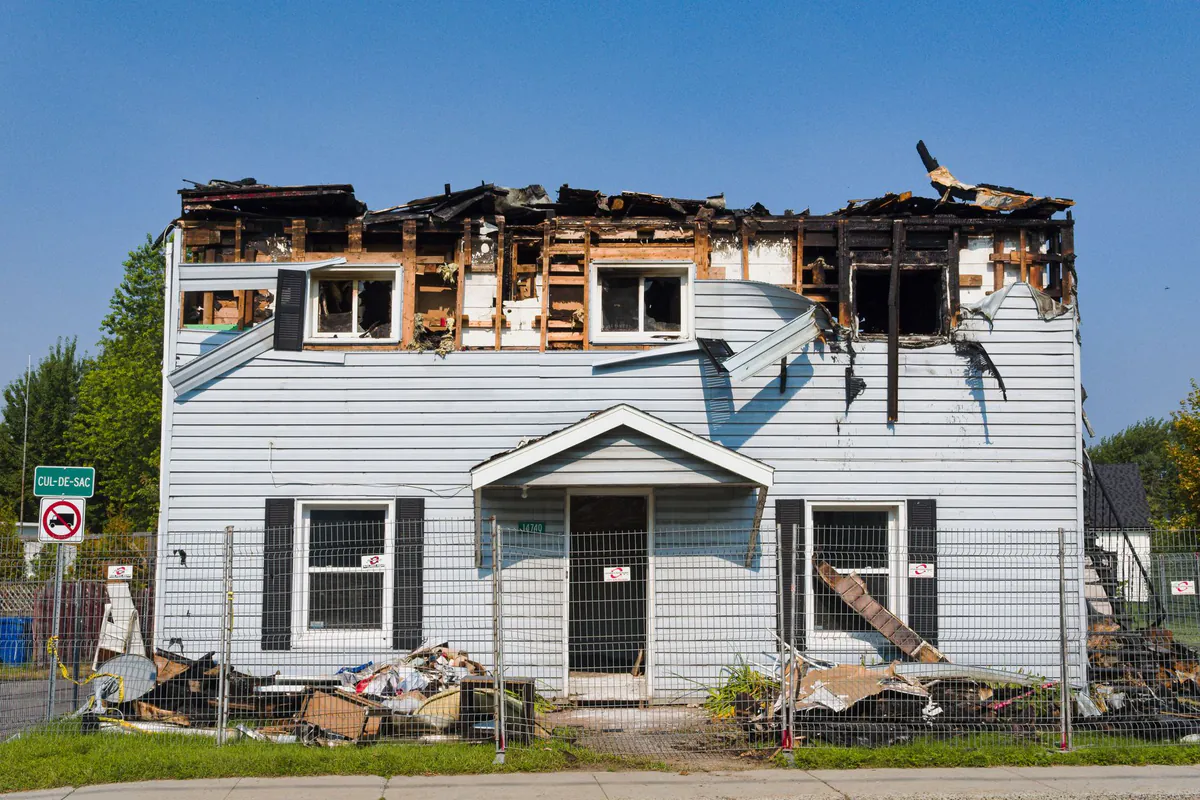
As-is is one of the most misunderstood terms in real estate. Sellers sometimes assume it means they can hide problems and walk away with no accountability. Buyers sometimes assume it means they have no recourse for anything. Both assumptions are wrong.
What as-is actually means
As-is means the buyer agrees to accept the property in its current physical condition and does not require the seller to make any repairs or improvements before closing. The seller is not obligated to paint, replace systems, address inspection findings, or do anything to the home once an as-is sale is agreed upon.
That is the extent of what as-is covers.
What as-is does not cover: disclosure
In most states, sellers have a legal duty to disclose known material defects regardless of whether the sale is as-is. A material defect is any condition that would significantly affect the property’s value or a reasonable buyer’s decision to purchase.
Common items sellers are required to disclose even in as-is sales include:
- Known roof leaks or past water intrusion
- Foundation movement or structural issues you are aware of
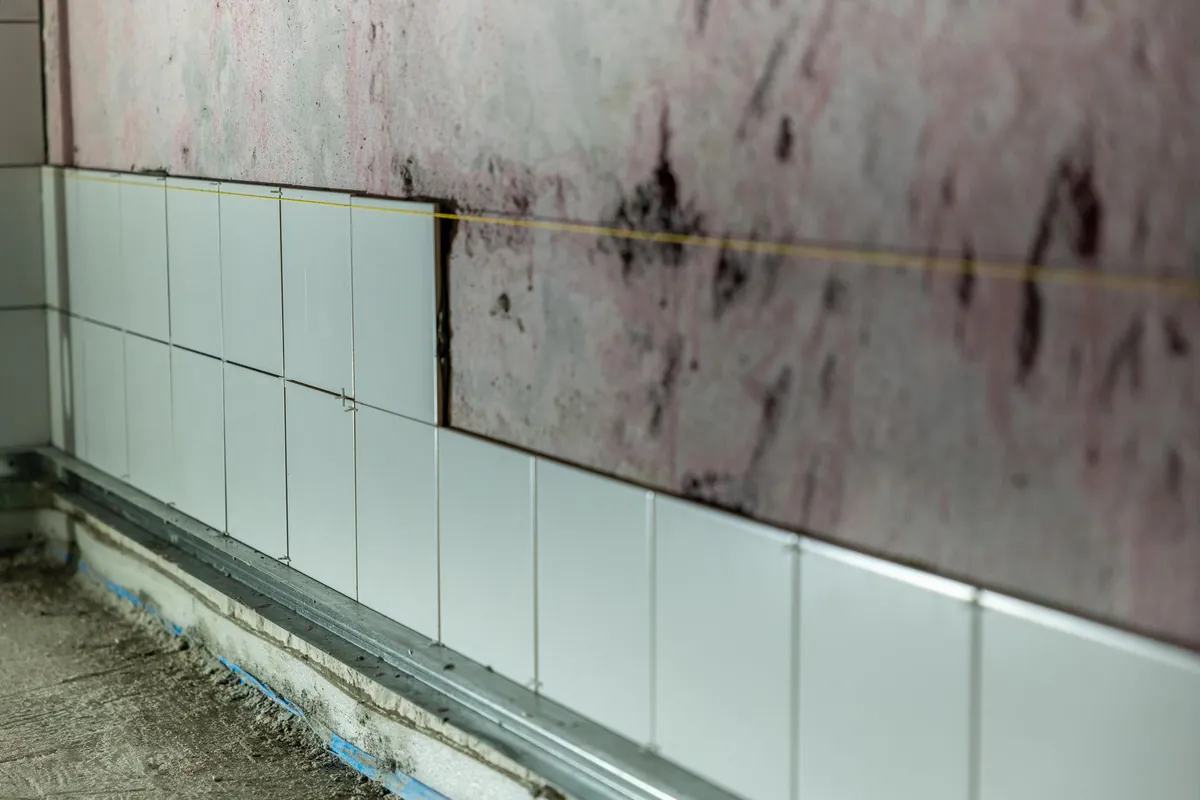
- Mold or moisture problems
- Pest infestations
- Unpermitted additions or work done without permits
- Known environmental hazards
Disclosure rules vary significantly by state. Some states require extensive written disclosure forms; others rely on the seller’s general duty not to misrepresent. Consult a real estate attorney for guidance specific to your location before you close.
Can a buyer sue you after an as-is sale?
Yes, if the buyer can show you knew about a defect and failed to disclose it. The as-is designation protects you from claims about conditions the buyer had the chance to inspect and chose to accept. It does not protect you from claims that you actively concealed something you knew about.
This is why proper written disclosure before closing is so important. Signed disclosure documents showing the buyer was informed of known issues are your best protection if a dispute arises after the sale.
Cash buyers and as-is: how it works
A direct cash home buyer is the most straightforward as-is buyer because there is no lender layering additional requirements on top. The buyer accepts the condition, prices it into the offer, and there are no post-acceptance repair demands.
In a traditional financed as-is sale, the buyer’s lender may still require the home to meet minimum property standards, which can create a de facto repair requirement even after you have agreed to sell as-is. A cash buyer bypasses that complication entirely.
For more on how an as-is cash sale is structured, see the cash offer vs. traditional sale comparison or the overview of selling a house as-is.
The bottom line
You have every right to sell your home in its current condition without making repairs. Exercising that right responsibly means disclosing what you know, getting proper written acknowledgment from the buyer, and keeping your closing records.
Request a no-obligation cash offer from Homewise for a clean as-is sale with full transparency from offer through closing.