A house fire is one of the most disorienting events a homeowner can face. Once the immediate emergency is over, most owners are left with a damaged or uninhabitable property and a decision to make: restore it, sell it as-is, or sell the land. The fastest path for most people is selling the fire-damaged house to a cash buyer who handles the restoration themselves.
Here is what you need to know before making that call.
Your three options after a house fire
Option 1: Restore and list on the open market. Full restoration can recover the most gross value, but it requires contractor coordination, permits, inspections, and months of work before the property is ready to show. Costs vary widely depending on the damage, and delays are common.
Option 2: Sell as-is on the open market. Listing a fire-damaged home on the MLS attracts investors and buyers willing to do the work, but retail buyers with financing will struggle to get a conventional mortgage approved on a property with significant damage. This limits your buyer pool and extends your time on market.
Option 3: Sell to a cash buyer. A cash buyer or direct-purchase company buys the property in its current condition, skips the lender and appraisal, and closes in days or weeks. You receive an offer based on the home’s value after accounting for all restoration costs. There are no repairs, no showings, and no waiting for a contractor to finish before you can close.
How much does fire damage reduce the value?
There is no single number because the reduction depends entirely on the extent of the damage. Rough ranges, which vary by market and property:
| Damage Level | Description | Estimated Value Impact |
|---|---|---|
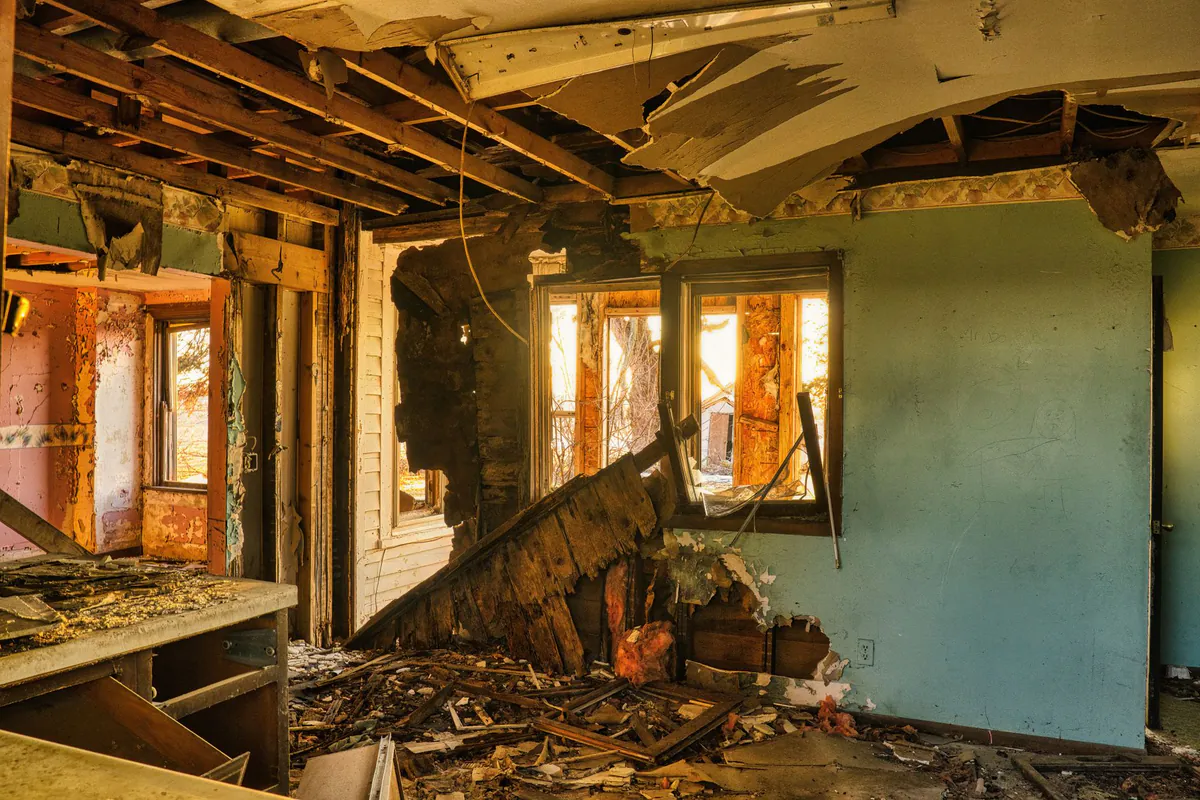
| Cosmetic / smoke | Discoloration, odor, surface damage only | 10 to 20 percent below market |
| Moderate | Structural elements intact, systems partially damaged | 20 to 35 percent below market |
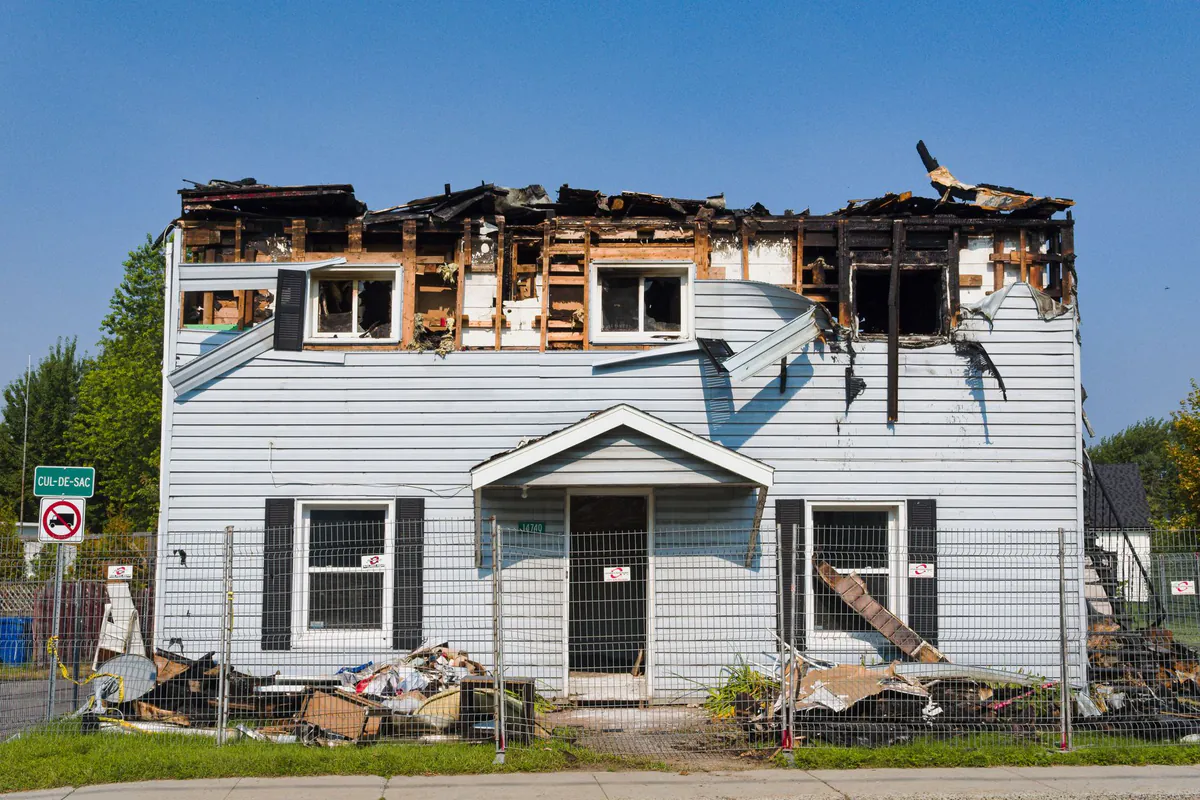
| Severe | Structural damage, roof, electrical, or plumbing affected | 35 to 50 percent or more |
| Total loss | Structure unsalvageable | Land value minus demolition cost |
These are illustrative ranges, not guarantees. A cash buyer’s actual offer will reflect a specific repair estimate for your property. For context on how as-is pricing works across all damage types, our sell house as-is guide walks through the full picture.
Disclosure requirements
Regardless of which path you choose, you are generally required to disclose known fire damage to any buyer. The specifics vary by state. Some states require written disclosure of all known material defects before the buyer makes an offer. Others require disclosure only after an offer is accepted. Consulting a licensed real estate attorney in your state is the safest step before you list or accept an offer.
What you should not do is conceal known damage. Even in an as-is sale, failing to disclose can expose you to legal liability after closing.
What the cash buyer process looks like on a fire-damaged home
- You contact a cash buyer and describe the property’s current condition, including the damage.
- The buyer inspects the property, in person or remotely, and calculates an offer using the ARV formula: after-repair value minus restoration costs minus holding costs minus margin.
- You receive a written offer, typically within 24 to 48 hours.
- If you accept, you sign a purchase agreement and the buyer opens escrow with a title company.
- The title company confirms clear title and coordinates closing.
- You sign closing documents and receive your funds, often within 7 to 14 days.
There is no bank appraisal, no inspection contingency, and no buyer financing that can fall through. For a broader look at selling a house as-is for cash, including what to expect at each stage, Homewise has a dedicated guide.
Working around an open insurance claim
If your insurer has already paid a partial settlement or is in the middle of processing a claim, selling during an active claim adds a layer of complexity. The key questions are:
- Has the insurance payout already been applied to the property (e.g., to a mortgage)?
- Does your policy require you to use the funds for restoration, or can you apply them to a sale?
- Is there a subrogation agreement in place?
These details are specific to your policy and state. A real estate attorney who handles fire-sale transactions can walk you through how to sequence the sale alongside an open claim without jeopardizing your settlement.
The bottom line
You do not have to restore a fire-damaged house before selling it. Cash buyers purchase in any condition, close fast, and eliminate the contractor delays and financing uncertainty that come with a traditional listing. Disclose all known damage, understand your insurance situation, and get an offer in writing so you can make the decision with clear numbers in front of you. Request a no-obligation offer from Homewise and see what your fire-damaged home is worth today.