Selling Tips
Top 9 Cash Home Buyers in Jacksonville, FL (2026)
See the top cash home buyers in Jacksonville, FL, compare Google ratings and buyer types, and learn how to check offers before you sell your house fast.
Whether you inherited a house, are going through a divorce, or are relocating out of Jacksonville, certainty matters more than staging. We make a fair cash offer on your Jacksonville home in any condition, handle the paperwork through a licensed title company, and close on your timeline.


100% Free · No Obligation
100% Private & Secure. We never share your info.
As Seen In
HomeWise is a Florida cash home buyer helping Jacksonville homeowners sell fast, as-is, no repairs, no commissions, no waiting on a buyer's financing. Fair all-cash offer in as little as one hour, close in as few as 7 days, on your Jacksonville timeline.
Homes Purchased
Offer Turnaround
Fastest Close
Verified Reviews
Skip the staging, showings, and bank approvals. A refined transaction designed for your Jacksonville timeline.
Tell us about the house and your timeline. We review the property, the condition, and a few basic details about your Jacksonville home, then make a fair cash offer the same day. No listing, no showings, no obligation.
We base the offer on recent comparable sales, the home's condition, and the repairs and holding costs we take on. We walk you through every number so you can decide with no pressure, and if a traditional sale nets you more, we will tell you.
You can close in as little as 7 to 14 days once title is clear, or pick a later date if you need more time. There are no financing delays and no waiting on a Jacksonville buyer's mortgage approval.
Selling your house as is for cash in Jacksonville works well for some homeowners. Listing with a realtor works better for others. Here is a simple breakdown to help you decide which path fits your situation.
A real cash offer should not feel like a random number. We look at the house, the repairs, the local market, and the cost to take on the project.
Roof, foundation, layout, systems, repairs, updates, damage, occupancy, and access.
We review recent sales near the property to understand the current market.
We account for cleanup, repairs, taxes, insurance, utilities, and resale risk.
A seller who needs speed may need a different solution than someone who can wait.
A cash purchase only makes sense when there is value for us to add and a clear benefit for you.
If a cash offer is not the best fit, we may suggest another option or tell you listing makes more sense.
Market data for the Jacksonville area shows about 51 days from listing to contract and roughly 2,097 recorded cash sales. These figures provide context, not promised results.
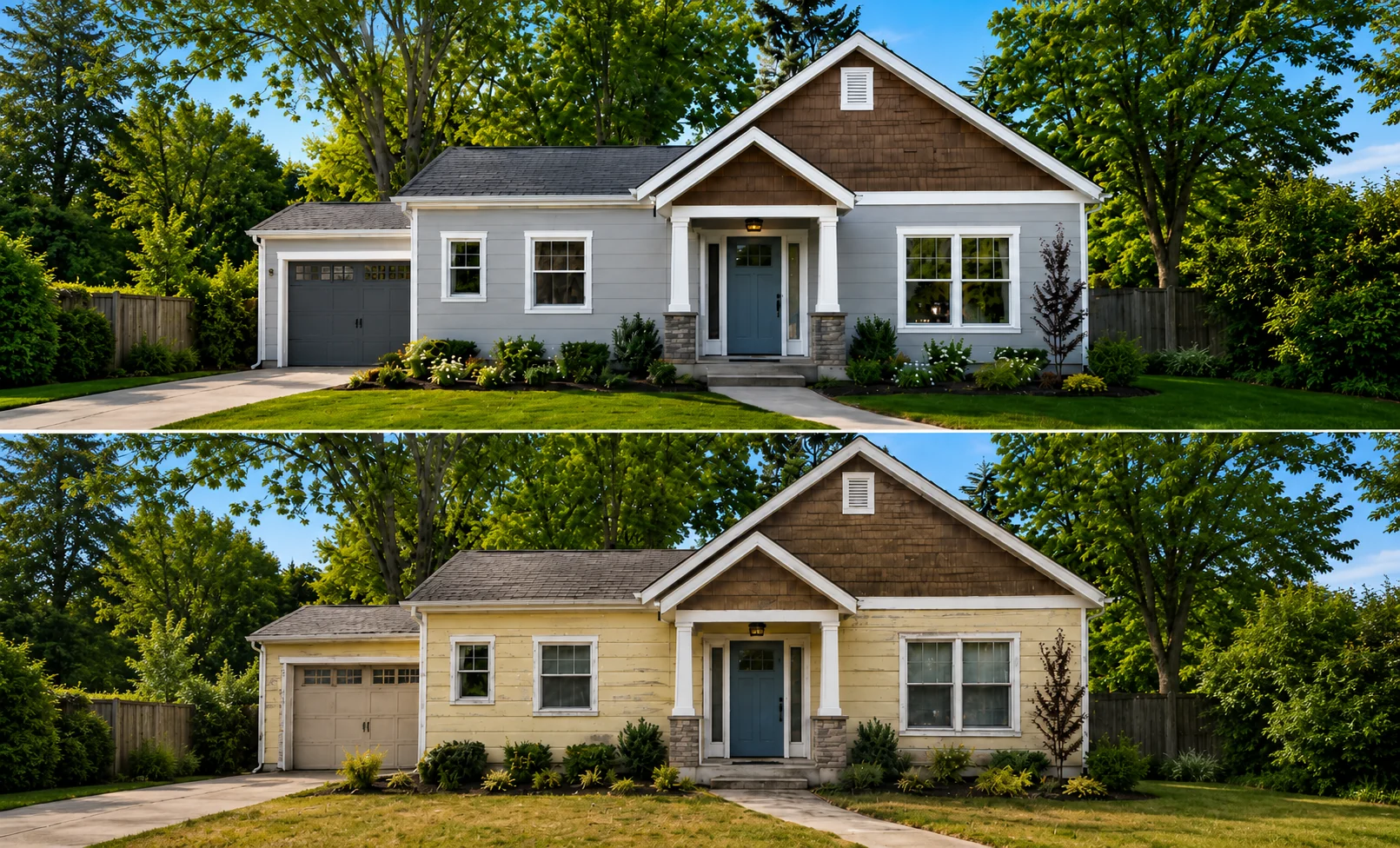
Compare a traditional listing with an as-is sale when repairs, occupants, or a firm schedule affect the decision.
Florida sellers must disclose any known defects that materially affect value. Cash buyers accept the home as-is. Florida charges a documentary stamp tax on deed transfers, typically paid by the seller at $0.70 per $100 of sale price.
Review the purchase agreement, title work, and closing statement before signing. A local closing professional can explain the documents that apply in Florida.
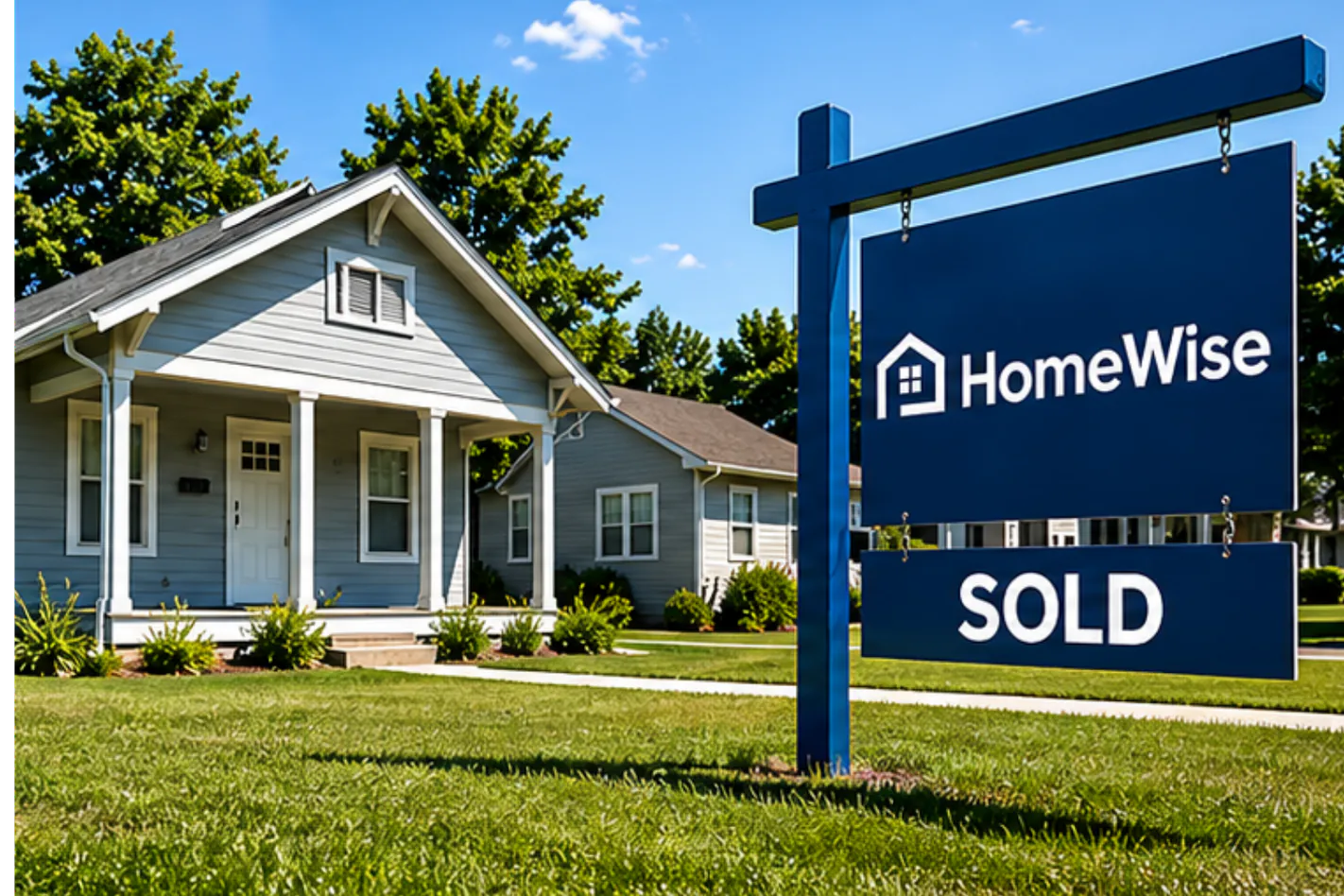
A direct sale can avoid showings, repair negotiations, and a retail buyer's financing. A cash offer may be lower than the price an updated home could reach after listing.
Compare net proceeds, preparation, timing, and contract terms. Choose the path that fits the property and your priorities.

Selling a house in Jacksonville can get complicated fast. Some buyers worry about insurance. Some lenders get cautious when repairs show up. Some homes need roof work, plumbing updates, electrical repairs, cleanout help, or tenant coordination before a traditional sale can move forward.
That does not mean a cash offer is always the best option. If the house is updated, easy to show, and you have time to wait, listing may make sense. But if repairs, timing, privacy, or uncertainty are the issue, selling for cash may be worth comparing.
Homeowners reach out to us for all kinds of reasons: selling an inherited house in Jacksonville, getting out of a rental with tenants in place, avoiding foreclosure, or selling a house as-is that needs more repairs than it is worth. Whatever the situation, we buy houses in Jacksonville for cash, cover the closing costs, and let you skip the showings, the financing delays, and the agent commissions that come with a traditional listing.
Fast answers, clear terms, and a simpler way to sell when a traditional listing does not fit.
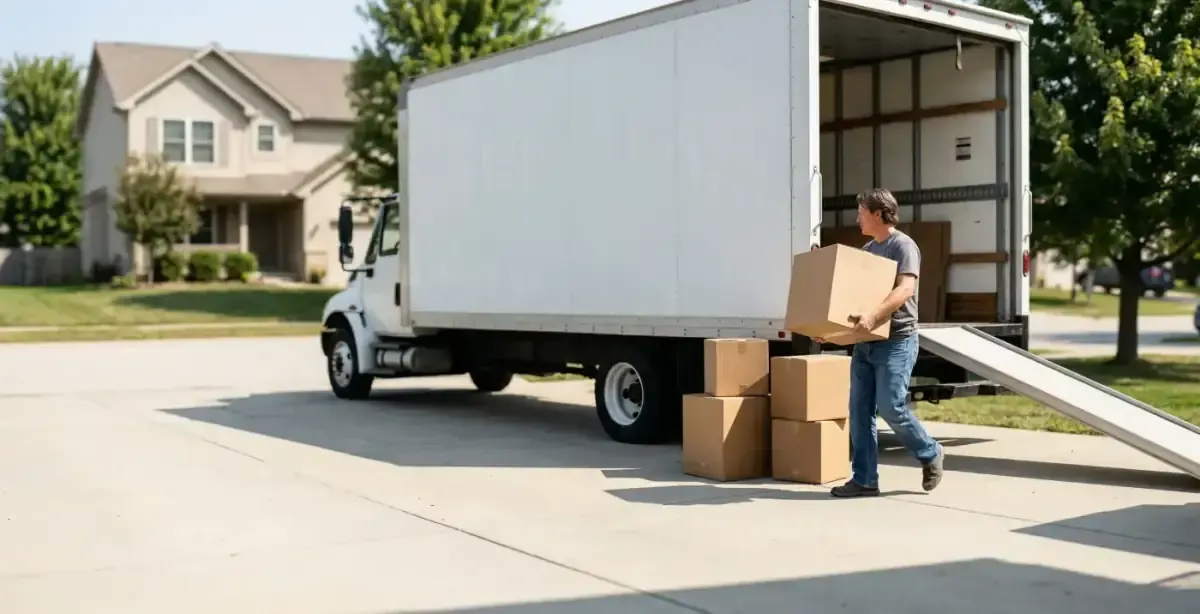
Moving Assistance
Real, physical help. We coordinate and help pay for moving trucks, boxes, and even labor.
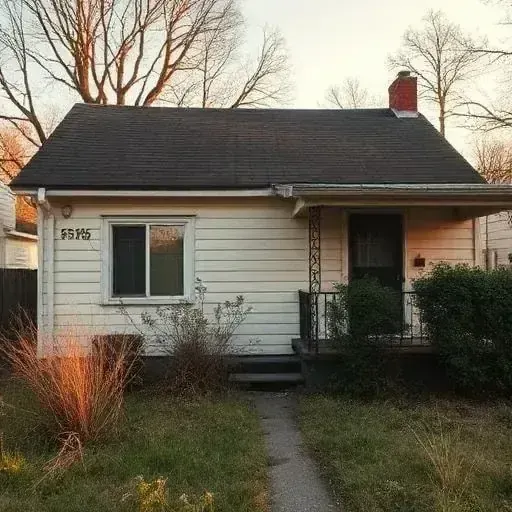
Relocation Assistance
In-house relocation experts assist in your new house-hunting process at no cost to you.
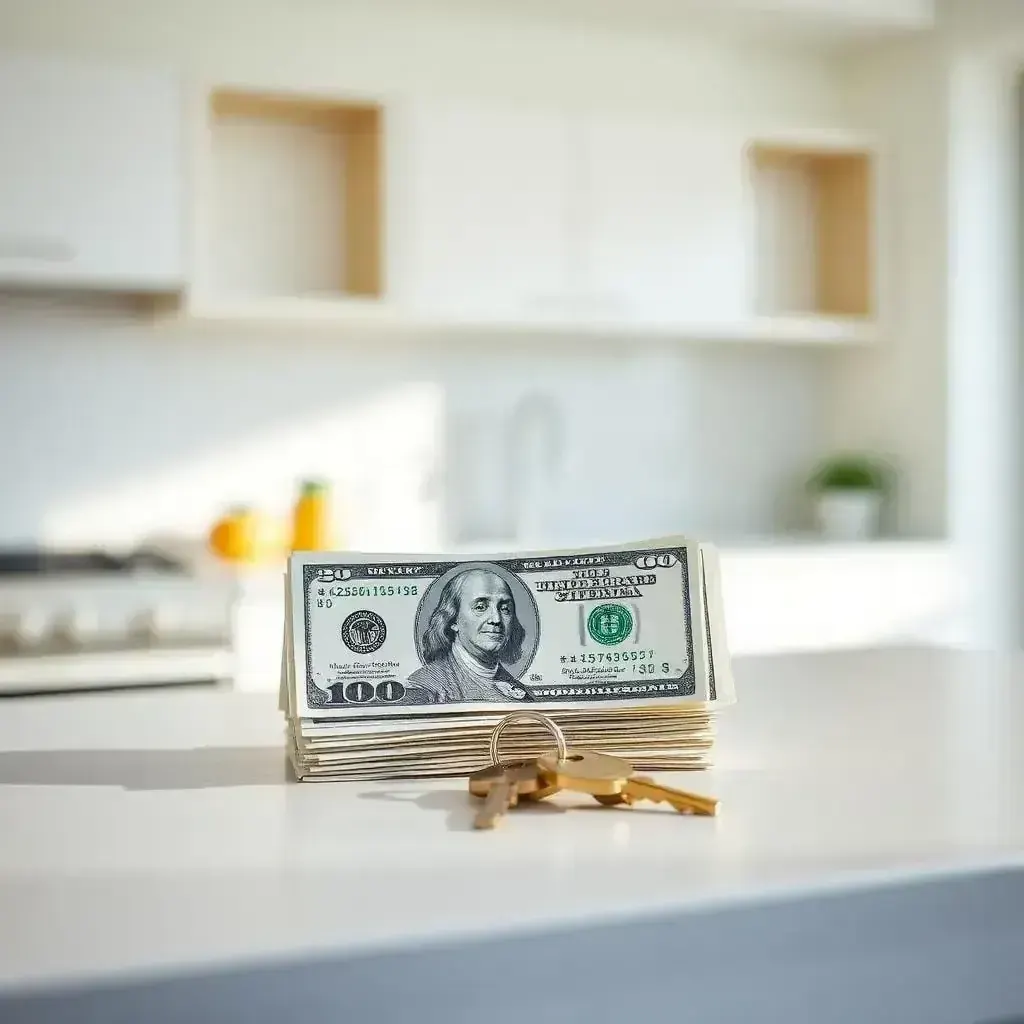
Fresh Start Bonus
Insider access to our network of exclusive off-market opportunities and local offers.
Fast and Flexible Closing
Choose your closing date, including closings in as little as 7 days once title is clear.

Closing Guaranteed
Once we make an offer, you can count on it. No financing fall-through, no last-minute surprises.
Whether you need to sell a house in foreclosure, sell an inherited house, sell a rental property, or sell a house that needs repairs, HomeWise buys homes across Jacksonville as is with no cleaning, no showings, and no agent commissions.
Sell a House to Avoid Foreclosure
Stop the clock and protect your credit and equity before the bank acts
Sell an Inherited or Probate House
Sell an inherited house as-is and skip the stress of probate
Sell a House During Divorce
Divide assets quickly, fairly, and stress-free
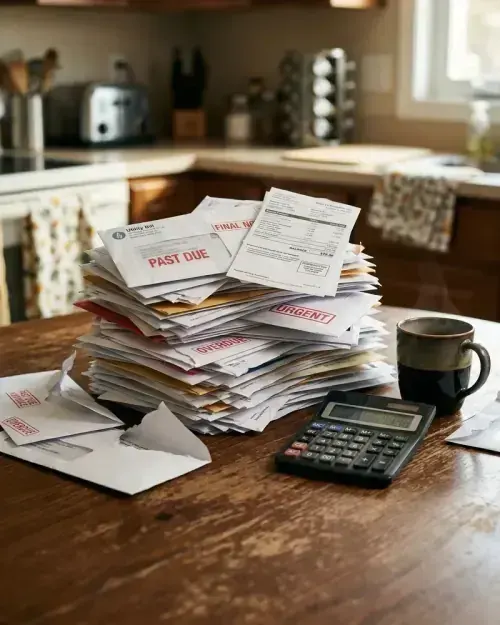
Sell a House Behind on Payments
Get immediate debt relief with a guaranteed cash offer
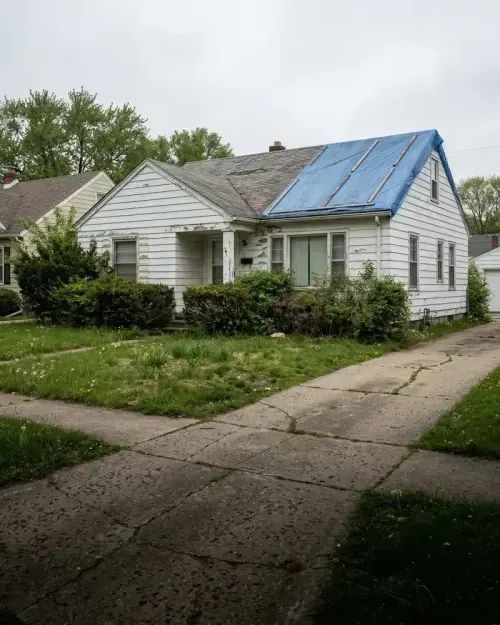
Sell a House That Needs Major Repairs
Sell as-is. We absorb the repair burden, no contractor needed
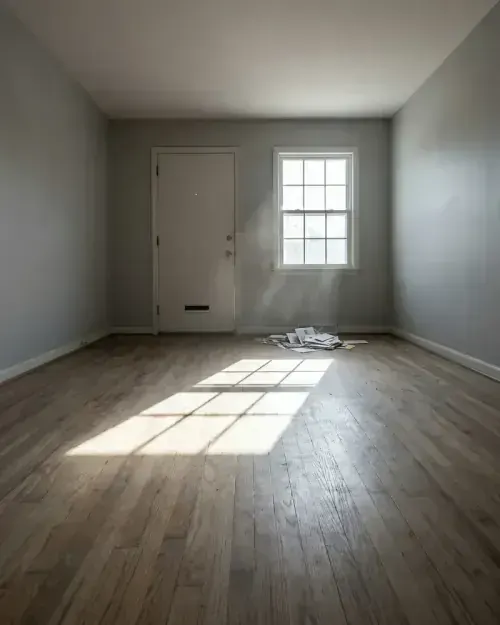
Sell a Vacant House Fast
Stop carrying the cost of a home you don't use

Sell a Rental Property With Tenants
Sell with tenants in place. We handle problem rentals
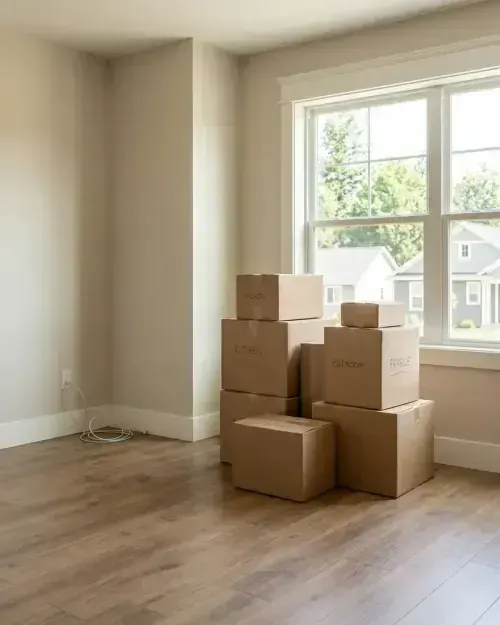
Sell Before Relocating for Work
Close fast so you can move forward with your life
Jacksonville is the largest city by land area in the contiguous United States, and that sprawl means there is no single “Jacksonville market.” A renovated bungalow in Riverside or Avondale, a 1970s block home on the Westside, and a newer build out toward Oakleaf behave like three different markets with three different buyer pools. The typical Jacksonville home spends about 51 days on the market before going under contract, but that average hides how much slower the older, unrenovated stock moves.
Florida’s homeowner insurance squeeze hits Jacksonville sellers directly. Buyers get their insurance quote mid-contract, and on older homes, especially those with roofs past 15 years, original electrical panels, or prior water claims, that quote can double their monthly payment or come back as a decline. The deal dies three weeks in, and the house goes back on the market flagged with days-on-market baggage. Cash sales remove the insurance-approval step from the transaction entirely, which is why so many older Northside and Westside homes trade direct: recent market data counts roughly 2,097 cash home sales in the Jacksonville area.
Between NAS Jacksonville and Naval Station Mayport, this is a Navy town, and PCS orders put hundreds of local homeowners on fixed exit dates every year. A 51-day listing clock plus Florida’s financing and insurance gauntlet does not fit a report date. Military sellers around Orange Park, Mayport, and the Southside are a steady share of the direct-sale market here because the chosen close date is the whole point.
Jacksonville’s pre-1980 neighborhoods carry the classic Florida punch list: aging roofs (the insurance trigger), cast-iron drain lines that fail inspection, settling on reclaimed marsh soil, and enclosed porches converted without permits. Any one of those can stall a financed sale; two or more usually kill it. If your house is updated and insurable, the retail market works in Jacksonville. If it is carrying that punch list, price a cash offer against the true retail net after repairs, concessions, and three-plus months of taxes, insurance, and utilities, and decide with both numbers in hand.
Honest answers about selling your Jacksonville house for cash, what to expect, and how fast you can close.
Most Jacksonville sellers receive a cash offer within 1 hour and close in 7 to 14 days. You pick the closing date that works for you. If you need more time we can hold the deal open for up to 60 days.
Our cash offer reflects current Jacksonville market values, the condition of your home, and recent comparable sales. Cash offers usually come in below retail. That gap covers the repairs, holding costs, and closing certainty that we take on instead of you.
No. We buy houses in Jacksonville as is. Cosmetic issues, deferred maintenance, foundation problems, fire or water damage, vacant or tenant-occupied properties are all fine. You can leave items behind. We handle the cleanout.
None. We pay your typical closing costs and there are no agent commissions, no listing fees, and no junk charges. The number on your offer is the number you net at closing.
Florida sellers must disclose any known defects that materially affect value. Cash buyers accept the home as-is. Florida charges a documentary stamp tax on deed transfers, typically paid by the seller at $0.70 per $100 of sale price. We handle the paperwork at a licensed Florida title company so you do not have to chase forms.
Single family homes, townhouses, condos, duplexes, and small multi-family up to 4 units across Jacksonville and the surrounding Florida market. Inherited, rental, vacant, and owner-occupied properties are all fine.
Looking beyond Jacksonville? Explore our Florida home-selling options.
Every review is from a verified Google Business profile. Real homeowners, real closings, real results.
“This process was so easy, thanks for making what could have been so time consuming a piece of cake.”

Sara Cantu
“Josh was great to work with. He explained everything clearly, kept me updated, and made the whole process easy. If you're selling your house, I'd definitely recommend him.”

Giselle Rachels
“Josh has been a pleasure to work with. He made it super easy for me to get rid of my home ASAP and made the process as simple and stress-free as possible.”

Matt Ferrara
“Selling our parents' home felt overwhelming until we found HomeWise. They handled everything with care and gave us a fair offer.”

Dana Richards
“Closed in 9 days. No repairs, no showings, no agent fees. Exactly what they promised.”

Marcus Webb
“I was facing foreclosure and HomeWise helped me close before the bank could take the house. Lifesavers.”

Elena Brooks
“Inherited a property I couldn't keep up with. HomeWise made the sale simple and the cash hit my account in under two weeks.”

Ryan Mitchell
“Got three other quotes. HomeWise's offer was competitive AND they actually closed on schedule. Would use again.”

Priya Shah
Selling in a Tough Situation?
We buy houses fast for homeowners in any situation. Get a cash offer with no repairs and no commissions.
Cash Offer Options & Guides
Explore how we buy houses for cash, save on commissions, and find free resources to sell smart.