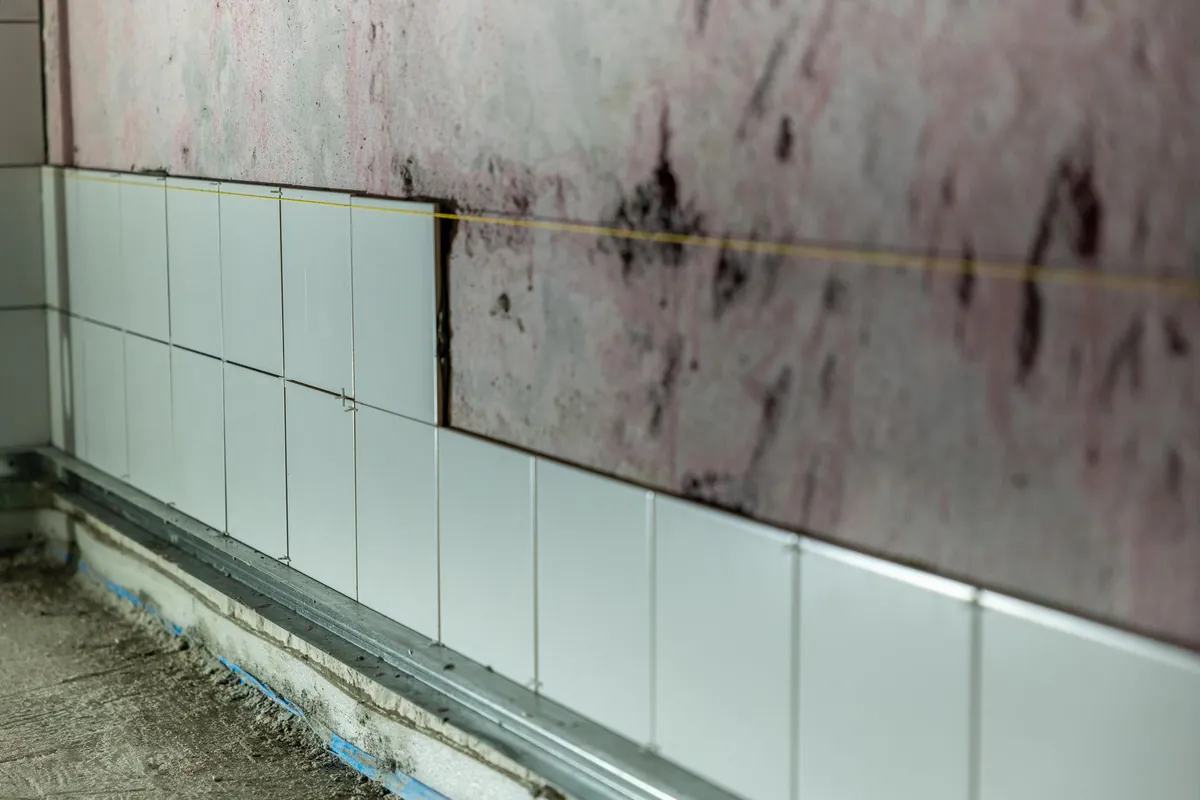
Finding mold in your home is stressful enough without wondering whether it makes the property impossible to sell. The truth is that mold does not prevent a sale, but it does change which path makes the most sense. Here is what you need to know.
The mold disclosure question comes first
Before you decide how to sell, you need to understand your disclosure obligations. In most states, sellers are required to disclose known material defects, and mold typically qualifies. This applies whether you list with an agent or sell for cash.
Disclosure requirements vary significantly by state. Some require a specific written form; others rely on general duty-to-disclose principles. Consult a real estate attorney in your state before proceeding. The legal risk of not disclosing known mold does not disappear simply because you decide to sell as-is.
What happens with mold in a traditional listed sale
When a home with mold hits the MLS, several things tend to go wrong in sequence:
- Buyers who see photos or notice odors walk away before making an offer.
- Buyers who do make an offer include an inspection contingency.
- The inspection report identifies the mold and triggers a renegotiation or walk-away.
- Financed buyers face lender resistance - some mortgage programs require remediation before funding.
- If the seller does not remediate, they reduce the price or the deal falls through.
The result is a longer time on market, lower offers, and a high probability of dealing with the mold one way or another - either by paying for remediation or by accepting a significant discount.
Comparing your options
| Path | Who handles mold | Cost to you | Timeline |
|---|---|---|---|
| Remediate then list | You pay before listing | Remediation cost upfront | Adds weeks before listing |
| List as-is, take lower offers | Buyer’s lender may block | Lower price, uncertain outcome | Longer, deal-fall risk |
| Sell to a cash buyer | Cash buyer after closing | Discounted offer, no upfront cost | 7 to 21 days |
How a cash buyer handles mold
A direct cash home buyer is not subject to lender requirements. They buy the home in its current condition, including the mold, and price the remediation cost into the offer. You do not hire a contractor, pay for testing, or schedule follow-up clearance inspections.
During their walkthrough, the buyer will note the extent of the mold problem to inform their pricing. The result is a single written offer that accounts for the full cost of bringing the home into acceptable condition - no surprises, no renegotiation after you accept.
For sellers dealing with homes that need significant work, including mold, structural issues, or outdated systems, a cash sale eliminates the uncertainty of whether a financed buyer will be able to secure a loan on the property.
What about the health risk to you?
If mold has been identified in your home and you are currently living there, addressing your personal health situation is separate from the question of how to sell. Mold exposure can cause health issues depending on the type and extent of the problem. Consult a qualified environmental professional if you have concerns about exposure while you are deciding how to proceed with the sale.
Can mold come back to haunt you after closing?
If you disclose known mold and sell as-is, your legal exposure is significantly reduced. A cash buyer who accepts the home with full knowledge of the mold cannot typically come back and claim you hid it. This is why proper written disclosure before closing is important regardless of how you sell. Keep copies of all disclosure documents.
The bottom line
You can sell a house with mold. You do not have to remediate it first if you sell to a cash buyer who accepts the home as-is. You do need to disclose what you know, regardless of the sale path. A direct cash buyer is the fastest and most certain way to move a mold-affected property without upfront remediation costs.
Request a no-obligation cash offer from Homewise and find out what your home is worth as-is.