Sellers spend thousands of dollars on pre-listing repairs every year without fully understanding whether those repairs will pay back. The reality: many of them do not. Here is what you need to know about selling without making any repairs - and when that decision works in your favor.
There is no law requiring you to fix anything
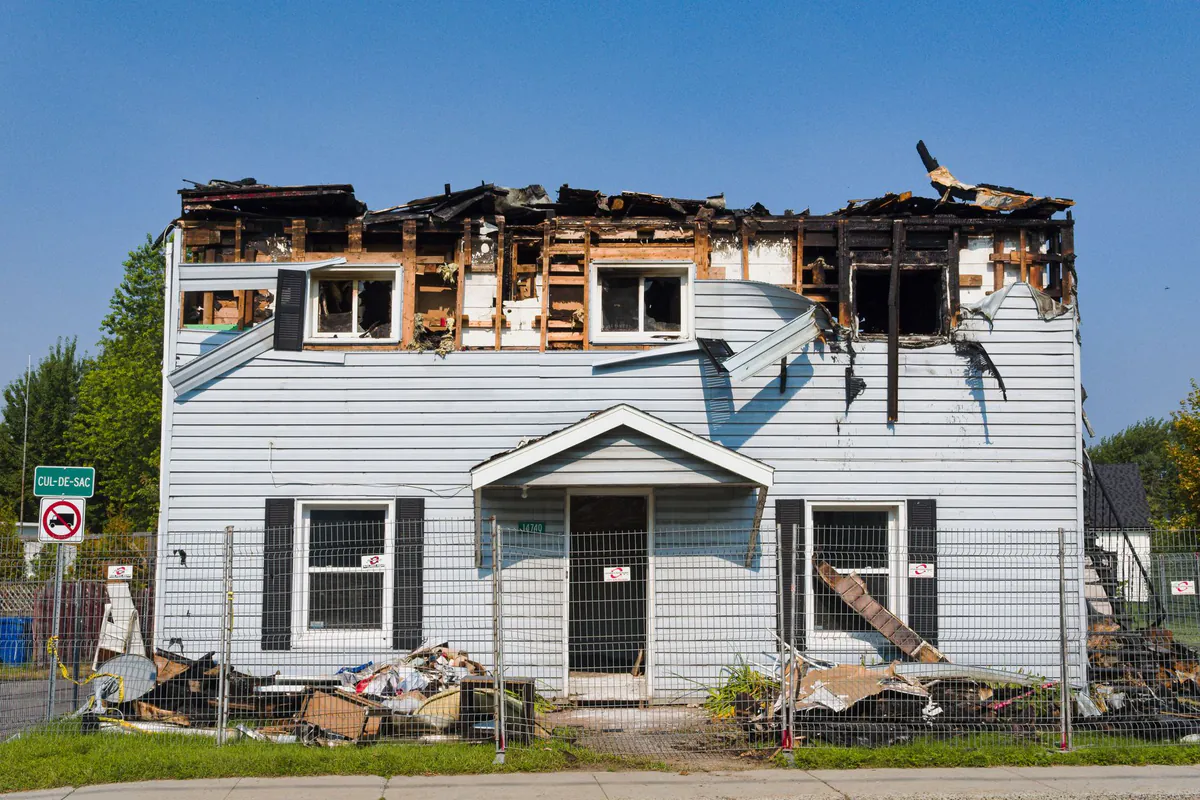
No federal or state law requires a seller to repair a home before selling it. You can sell a house with a leaking roof, outdated wiring, a failing HVAC system, or a crumbling foundation. The condition affects how much buyers will pay and which buyers can even purchase the home - but it does not legally block the sale.
The complication is financing. Many mortgage programs require homes to meet minimum property condition standards. A financed buyer may be unable to get their loan approved on a home with significant deficiencies, which shrinks your buyer pool and often forces the repair issue anyway.
What happens when you skip repairs in a traditional listing
Listing a home that needs significant work without making repairs creates a predictable chain of events:
- Buyers visiting the home mentally estimate repair costs and offer lower than asking price.
- An accepted offer from a financed buyer includes an inspection contingency.
- The inspection report documents the issues and the buyer requests credits or repairs.
- You either negotiate, accept a lower net, or the buyer walks away.
- The process restarts with the next buyer, with more days on market working against you.
Skipping repairs in a traditional sale rarely means avoiding the repair cost - it usually just means absorbing it as a price reduction or a failed deal.
The case for selling as-is to a cash buyer
A direct cash buyer sidesteps every step in that chain. There are no financing requirements, no inspection contingencies, and no post-acceptance renegotiations. The buyer assesses the condition during their walkthrough and prices the repair costs into the original offer. You accept or decline, and the price does not change.
This means the “repair discount” is visible upfront rather than discovered mid-process. You can calculate your net from day one, compare it to what you would net from a fix-and-list strategy, and make a real decision.
When skipping repairs makes financial sense
For sellers with homes that need significant work, selling as-is to a cash buyer is often the better net outcome when you account for:
- The out-of-pocket cost of major repairs before listing
- The time required to complete the work (often weeks to months)
- Agent commissions on the higher post-repair price (5 to 6 percent)
- Carrying costs for mortgage, taxes, insurance, and utilities during repairs and market time
- The risk that a financed buyer still negotiates credits after inspection
For smaller cosmetic issues - fresh paint, carpet replacement, minor fixtures - the math sometimes favors a quick fix before listing if the property is otherwise in good shape. The rule of thumb: if the repair cost is large relative to the value it adds, skip it and price it into an as-is sale.
What about items you are legally required to disclose?
Even in a no-repair as-is sale, sellers must disclose known material defects in most states. This includes things like known roof leaks, foundation movement, pest infestations, mold, or water intrusion. The as-is designation means the buyer accepts the defects - not that you concealed them.
State disclosure laws vary. Consult a real estate attorney for guidance on what you are specifically required to disclose in your location. For the most common as-is scenarios, our guide on what no-repair sales actually cover walks through the details.
How the numbers compare
| Scenario | Repair cost | Sale price | Commission | Net (approx) |
|---|---|---|---|---|
| Fix and list | 20,000 | 280,000 | 15,400 | 244,600 |
| List as-is | 0 | 245,000 | 13,475 | 231,525 |
| Cash buyer as-is | 0 | 235,000 | 0 | 235,000 |
Numbers are illustrative. Results vary by market, condition, and buyer. The point is that the cash path often outperforms the as-is listing path and can get close to the fix-and-list net once all costs are counted.
The bottom line
You can sell your house without making a single repair. The right path depends on how large the repair costs are relative to the price premium you would gain from fixing things. For homes with significant repair needs, an as-is cash sale typically delivers a competitive net with far less risk, time, and upfront cost.
Get a no-obligation cash offer from Homewise to see your as-is number and compare it to your repair-and-list estimate.