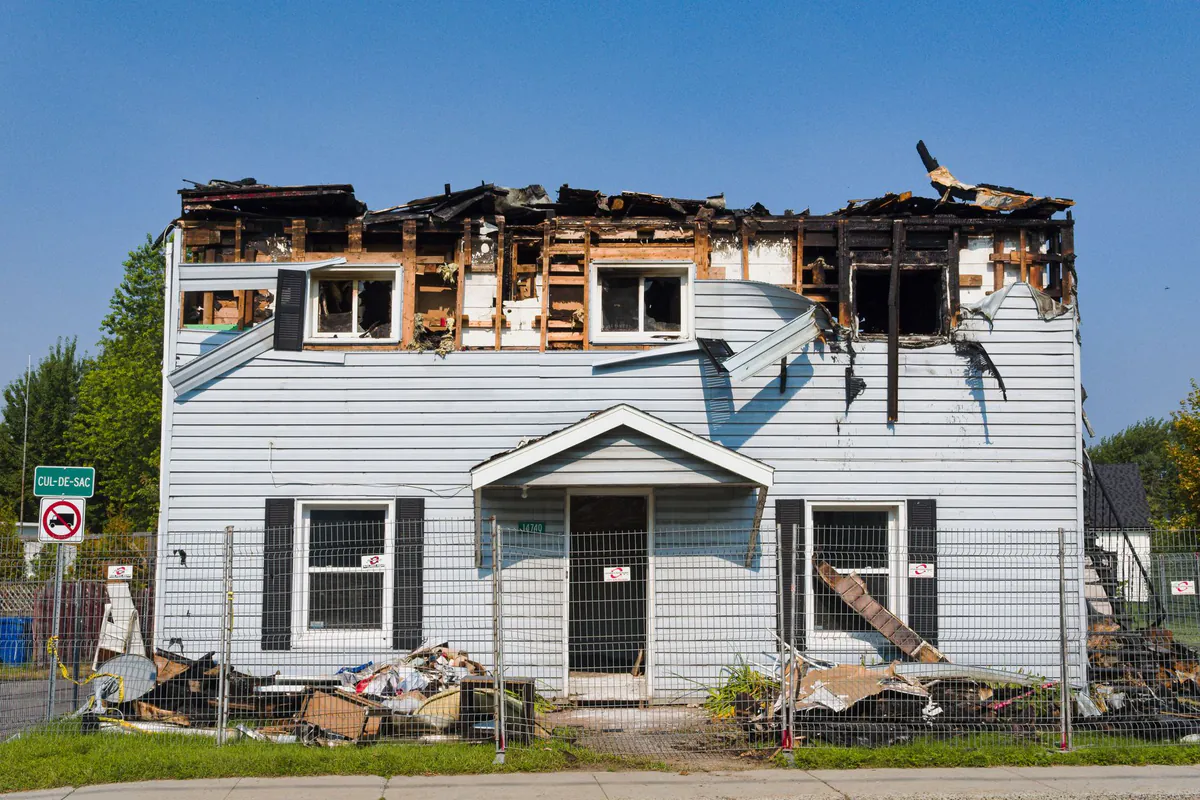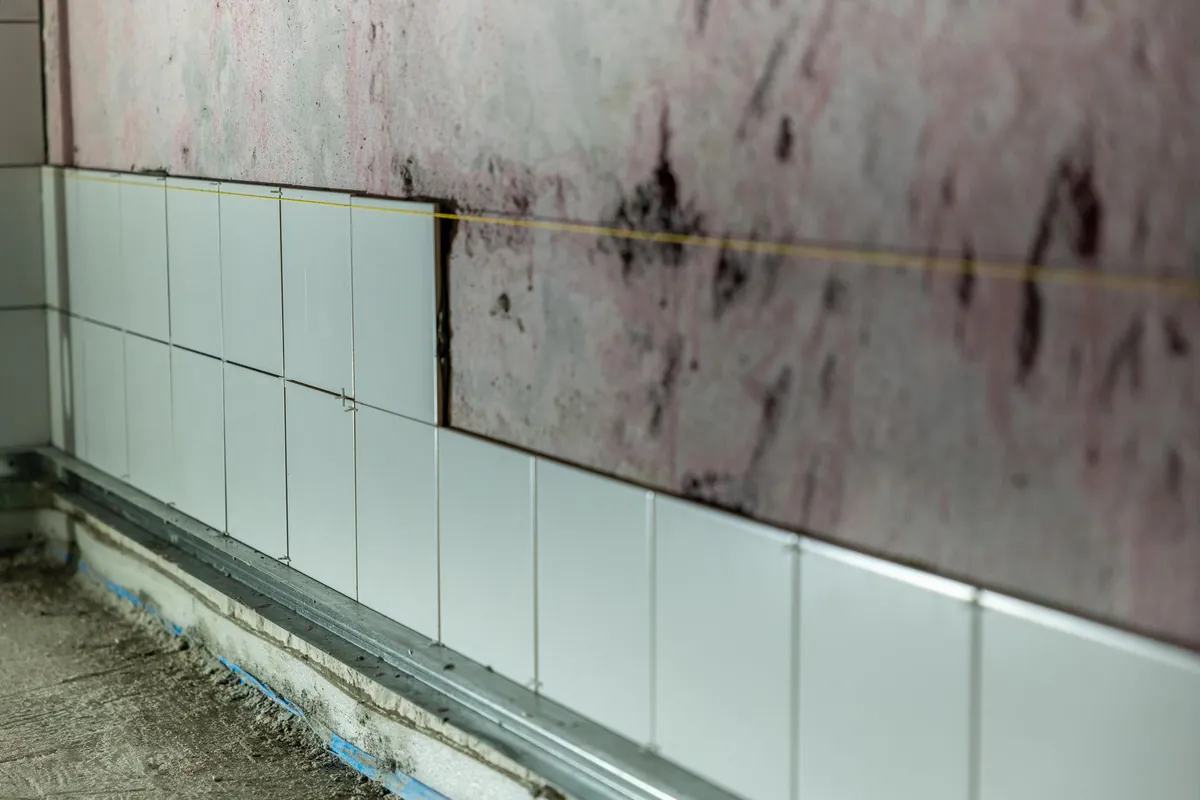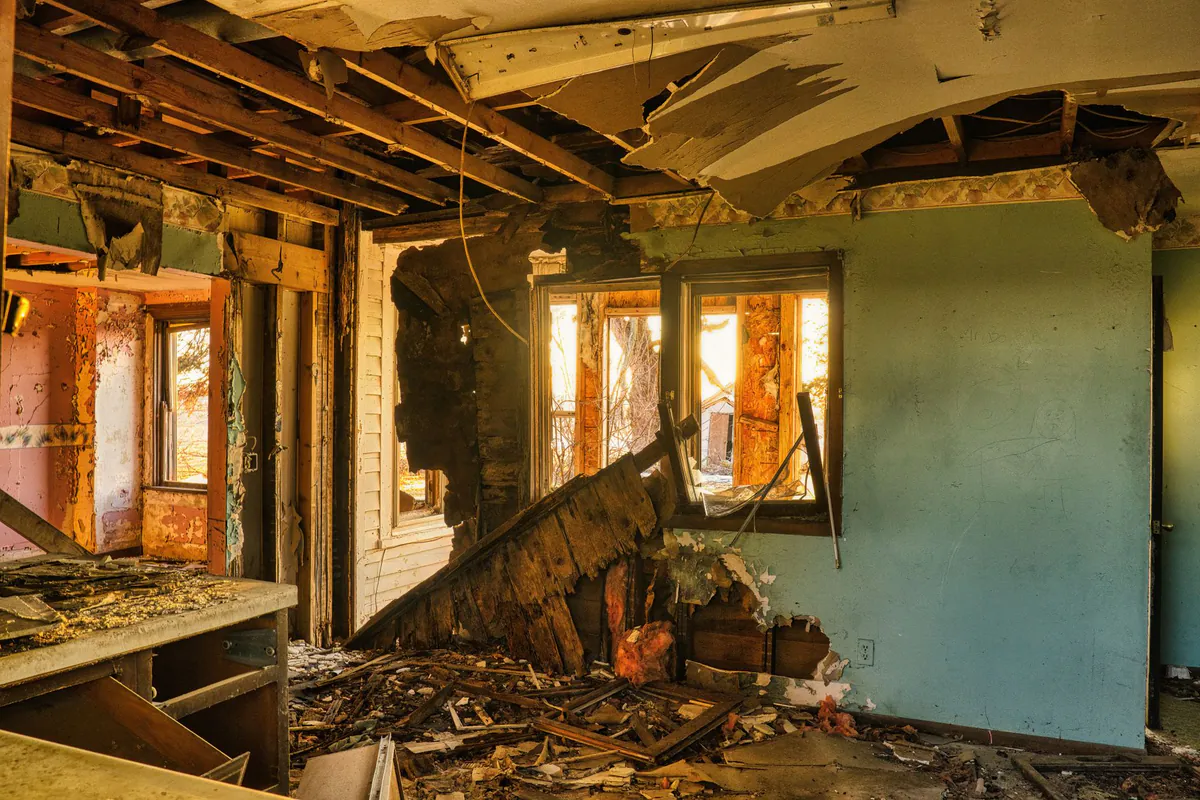
Water and flood damage can leave a home unlivable, but it does not have to leave you stuck. Tens of thousands of water-damaged homes sell every year, most of them without the owner spending a dollar on remediation first. The key is understanding your options, your disclosure obligations, and which type of buyer is the right fit for your situation.
The real cost of waiting to repair
Water damage does not stand still. Moisture in walls, subfloors, and insulation creates conditions for mold growth within 24 to 48 hours under the right temperature and humidity. Mold that starts as a small remediation job can escalate into a structural problem if left unaddressed for weeks or months.
If you are weighing whether to remediate before selling, the calculation is this:
- Remediation and repair costs can run from 5,000 dollars for surface-level damage to 50,000 dollars or more for structural water intrusion.
- The traditional listing process adds another two to four months on market, plus a 5 to 6 percent agent commission and closing costs.
- A financed buyer will likely need to meet lender requirements for habitability, which a water-damaged home may not pass without work.
For many owners, especially those dealing with flood damage or a home that is already in disrepair, selling as-is to a cash buyer is the faster, lower-risk path. For a broader look at selling a damaged property as-is for cash, Homewise has a full guide.
How much water damage typically reduces value
The reduction depends on the source, extent, and duration of the water event:
| Damage Type | Description | Typical Value Impact |
|---|---|---|
| Surface water, no mold | Flooring, drywall, no structural involvement | 10 to 20 percent below market |
| Moderate intrusion | Subfloor, insulation, or cabinet damage | 20 to 35 percent below market |
| Structural / mold present | Framing, foundation, or confirmed mold | 30 to 50 percent or more |
| Flood zone designation | FEMA flood zone adds ongoing insurance burden | Additional discount reflecting buyer’s cost |
These ranges are illustrative. The actual offer you receive from a cash buyer will be based on a specific remediation estimate for your property, not a general rule of thumb.
Disclosure obligations
Disclosure rules vary by state, but most states require sellers to disclose known material defects before or at the point of sale. Water damage, flood history, and mold caused by moisture intrusion typically qualify as material defects.
Even in an as-is sale, concealing known damage can expose you to legal liability after closing. Consult a licensed real estate attorney in your state before listing or accepting an offer to understand exactly what must be disclosed and in what format.
What to document and disclose:
- When the water event occurred and the source (burst pipe, storm, flood)
- Whether an insurance claim was filed and what it covered
- Whether mold has been identified and whether it was professionally treated
- Whether the home is in a FEMA-designated flood zone
- Any prior water-related inspection or remediation reports
What to expect when selling to a cash buyer
Selling a flood- or water-damaged home to a cash buyer follows the same process as any as-is cash sale:
- You describe the property condition to the buyer, including the damage and any known remediation history.
- The buyer inspects the property and prepares a written offer based on the after-repair value minus all remediation and restoration costs.
- If you accept, a title company handles the closing process.
- You close, typically in 7 to 14 days, and receive your funds.
There is no lender approval, no habitability inspection for financing, and no repair contingency. For owners in flood-affected areas, Homewise has a dedicated page for flood-damaged home situations that covers regional and insurance considerations in more detail.
Working with a flood insurance claim
If you filed a National Flood Insurance Program or private flood insurance claim, selling during an open claim requires coordination:
- Your mortgage servicer may have a claim check in their name requiring release.
- NFIP policies have specific rules about how claim proceeds interact with a property sale.
- Some states require that flood insurance proceeds be disclosed to buyers.
Consult both your insurance carrier and a real estate attorney before accepting any offer. A cash buyer with experience in flood-zone properties can often work around an open claim without derailing the sale.
The bottom line
Selling a water- or flood-damaged house does not require a full restoration first. Cash buyers purchase in any condition, skip the financing and appraisal hurdles that block conventional buyers, and close in a fraction of the time a traditional listing takes. Disclose all known damage, gather your documentation, and get an offer in front of you so you can make the decision with real numbers. Request a no-obligation offer from Homewise and see what your water-damaged home is worth today.