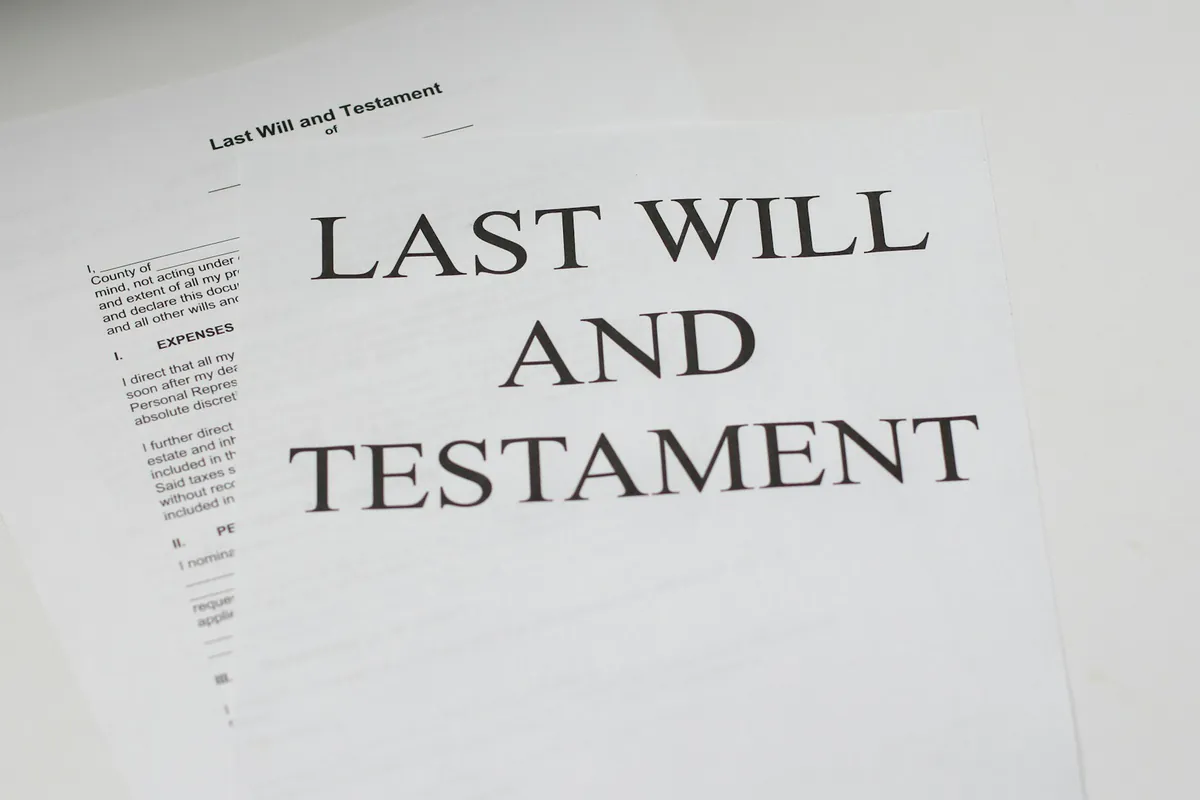
Yes, you can sell a house in probate in Texas, and Texas makes it easier than almost any other state. Most estates run through independent administration, meaning the executor can sell the property without asking a judge to approve the sale. If the estate qualifies for muniment of title, the house passes straight to the beneficiaries without an executor ever being appointed, and they sell it as ordinary owners. The main constraints are getting the will filed within the four-year deadline and picking the right procedural path at the start.
This guide explains each Texas path, the Estates Code sections that control them, and the practical steps between a death in the family and cash from a closing.
How does probate work in Texas?
Texas probate is governed by the Texas Estates Code and handled by different courts depending on the county. The state’s most populous counties, including Harris County (Houston), Dallas County, and Bexar County (San Antonio), have specialized statutory probate courts that hear nothing but estates, guardianships, and related matters. In counties without statutory probate courts, the county court at law or the constitutional county court handles probate.
The filing happens in the county where the decedent resided. After the application is filed, Texas law requires a posted public notice period of roughly two weeks before the court can hold the hearing that admits the will and appoints the executor. In uncontested cases, that hearing is short: a witness testifies to the basic facts, the judge signs the order, and the executor takes an oath and receives letters testamentary.
Two structural facts define Texas probate for anyone trying to sell a house:
First, the four-year rule. Under Estates Code Section 256.003, a will generally may not be admitted to probate more than four years after the testator’s death unless the applicant proves they were not in default for the delay, and letters testamentary cannot issue at all if the application was filed after the fourth anniversary. Families who sit on a will for years can lose the ability to use it, leaving the harder intestacy route.
Second, the menu of procedures. Texas offers several distinct paths, and choosing correctly at the outset saves months. The four that matter for real estate are independent administration, dependent administration, muniment of title, and the small estate affidavit.
What is independent administration, and why is it the default?
Independent administration, under Estates Code Chapter 401, is the reason Texas probate has a reputation for speed. Once the court admits the will and the independent executor qualifies, the court’s supervision largely ends. The executor administers the estate without seeking court permission for individual actions: paying debts, managing assets, and, critically, selling real property.
A will can create an independent administration simply by saying so, and most professionally drafted Texas wills do, typically naming an “independent executor” and directing that no action be taken in court other than probating the will and filing the inventory. Even when a will does not provide for it, all the distributees can agree to ask the court for an independent administration, and courts routinely grant it. The same consent mechanism works in intestate estates.
For a house sale, the practical question is the power of sale:
- If the will grants a power of sale, the independent executor signs the listing agreement, the contract, and the deed. No court order approves the sale, and the title company relies on the letters testamentary and the will.
- If the will is silent, Texas law still gives executors meaningful latitude, and sales to pay debts or expenses of administration are within an executor’s traditional authority. Title companies vary in what they require in this situation, and the clean solutions are beneficiary consent or a court order granting a power of sale. Your probate attorney will know what the local title underwriters expect.
The executor’s main ongoing obligation is the inventory, appraisement, and list of claims, due within 90 days of qualifying unless extended, plus the duty to handle valid creditor claims before distributing to beneficiaries.
What is dependent administration, and when does it apply?
Dependent administration is the court-supervised alternative, and it is what people picture when they imagine probate as an ordeal. The administrator must seek court approval for most significant actions. Selling real property requires an application to the court, an order of sale, a report of sale, and a decree confirming the sale before title passes. Each step involves filings, notice, and calendar time.
Dependent administrations arise when there is no will and the heirs cannot agree on an independent administration, when the court finds supervision necessary, or when family conflict makes a neutral, court-checked administrator the safer choice. If you are buying or selling in a dependent administration, build the court’s confirmation sequence into the contract timeline and expect the process to add months.
What is muniment of title, and when is it the fastest path?
Muniment of title, under Estates Code Chapter 257, is a Texas specialty that most other states lack. The court admits the will to probate purely as a document of title. No executor is appointed, no letters issue, and no administration occurs. The signed order, together with the will, functions like a deed: it vests title to the estate’s property directly in the beneficiaries the will names.
Muniment of title is available when the decedent left a valid will, the estate has no unpaid debts other than those secured by liens on real estate, and there is no other need for administration. For a family whose parent left a paid-off or mortgage-only house and modest accounts, it is often the fastest and cheapest way to make the house sellable: one hearing, one order, and the beneficiaries hold record title.
After the order, record certified copies in the deed records of the county where the property sits. From that point the beneficiaries sell as ordinary owners. Every beneficiary with an interest signs the contract and deed, which means muniment of title works best when the family is aligned. If some beneficiaries want to sell and others do not, an administration with a single empowered executor may be the wiser route despite the extra process.
Can a small estate affidavit handle the house?
Rarely, and only in one specific configuration. The small estate affidavit under Estates Code Chapter 205 is for intestate estates, meaning no will, where the assets excluding the homestead and exempt property total $75,000 or less and the assets exceed the known debts. For real property, the affidavit can transfer only the decedent’s homestead, and only to a surviving spouse or minor children who already shared that homestead interest.
That means the small estate affidavit cannot transfer a rental house, inherited land, or a home passing to adult children who lived elsewhere. Families frequently discover this after preparing the affidavit, losing weeks. If the goal is to sell a non-homestead property from an intestate estate, plan instead on a determination of heirship plus an administration, or consult counsel about an affidavit of heirship, a non-judicial document that some title companies accept for older, debt-free estates after it has been on record. Whether a given title underwriter will insure a sale on an affidavit of heirship is a case-by-case question, so ask before committing to that route. The state’s court self-help resource, TexasLawHelp’s probate overview, is a solid orientation for families sorting out which procedure fits.
The four Texas paths compared
| Path | Requires a will? | Executor appointed? | Court approval of a house sale? | Best fit |
|---|---|---|---|---|
| Independent administration | Usually, or all heirs consent | Yes, independent executor | No, especially with a power of sale in the will | Most estates with a house and other assets or debts |
| Dependent administration | No | Yes, court-supervised administrator | Yes, order of sale plus confirmation decree | Contested estates, unknown heirs, heavy debts |
| Muniment of title | Yes | No | No, beneficiaries sell as owners after the order | Will plus real estate, no unsecured debts, aligned family |
| Small estate affidavit | No, intestate only | No | Not applicable, homestead-to-spouse or minor children transfers only | Small intestate estates, surviving spouse keeping the homestead |
Step by step: selling a probate house in Texas
Step 1: Find the will and hire a Texas probate attorney. The four-year clock under Section 256.003 is running. Most Texas probate courts require attorneys for applicants acting in a representative capacity, so counsel is effectively mandatory.
Step 2: Choose the procedure. With a will and any meaningful debts or complexity, expect independent administration. With a will, real estate, and no unsecured debts, weigh muniment of title. Without a will, discuss heirship determination and consent-based independent administration.
Step 3: File and attend the prove-up hearing. After the posted notice period, the court admits the will and either appoints the executor or, for muniment, signs the order vesting title.
Step 4: Gather your authority documents. For administrations, obtain multiple certified letters testamentary. For muniment, record certified copies of the order and will in the county deed records where the property sits.
Step 5: Establish value and secure the property. Get a date-of-death appraisal for the inventory and for the stepped-up tax basis. Keep taxes, insurance, and any mortgage current; confirm the policy covers a vacant home.
Step 6: File the inventory and address creditors. The executor files the inventory, appraisement, and list of claims within 90 days of qualifying and resolves valid debts before distribution. Secured lenders get paid from the sale at closing.
Step 7: Sell. List with an agent or take direct cash offers. The executor, or the muniment beneficiaries, sign the contract. A Texas title company examines the probate file, confirms authority, and closes. With a cash buyer there is no lender, no appraisal contingency, and the close date can flex around any remaining court steps.
Step 8: Distribute and wrap up. Pay remaining expenses, distribute proceeds per the will or intestacy shares, and close out the administration.
How long does it take in Texas?
For an uncontested independent administration: filing to letters testamentary commonly takes about a month, driven by the posted-notice requirement and the court’s hearing calendar. The house can go under contract the day letters issue, and a cash closing can follow within one to two weeks. Complete estate administration, including the 90-day inventory and creditor resolution, typically finishes within six to twelve months, but the house sale does not have to wait for the estate to close.
Muniment of title can be even faster: one hearing, an order, recording, and the beneficiaries are free to sell. Dependent administrations run materially longer because every sale step needs a court order.
For the broader picture of what controls estate timelines nationally, see our guide on how long probate takes. And if you suspect the estate may not need probate at all, perhaps the house was held in a trust, owned with right of survivorship, or covered by a Texas transfer-on-death deed, start with do you need probate to sell an inherited house.
What does it cost, and what should sellers watch?
Texas probate costs concentrate in three places: filing fees set by each county clerk, attorney fees, which are dramatically lower in independent administrations and muniment proceedings than in dependent ones, and carrying costs on the house while the process runs. Property taxes deserve particular attention in Texas: rates are high, there is no state income tax cushion for the county budget, and an inherited house that loses its homestead exemption can see its tax bill jump at the next assessment. Every month of delay has a real price.
Watch for these Texas-specific snags:
- Missed four-year deadline. A will that was never probated can still sometimes be admitted as a muniment with proof the applicant was not in default, but do not count on it. File now.
- Community property questions. Texas is a community property state, and a surviving spouse may already own half the house outright. Establish exactly what fraction the estate owns before pricing a sale.
- Family disagreement in muniment cases. Every titled beneficiary must sign the deed. One holdout stalls the sale, and the fix, converting to an administration, costs time.
- Buyers pushing early closings. No legitimate sale closes before the order or letters exist. A buyer pressing the family to sign a deed first is a red flag, full stop.
Where a cash buyer fits in a Texas probate
Texas probate houses are often dated, vacant, or filled with decades of belongings, and heirs are often out of state. A cash buyer solves the practical half of the problem: the purchase is as-is, no repairs, cleanout, or showings required, and there is no financing contingency or lender appraisal to fail late in the process.
The other half is schedule. HomeWise writes offers keyed to the court’s milestones, closing days after letters testamentary issue or a muniment order records, whether the property is in Houston, Dallas, San Antonio, or a smaller market. We never ask an estate to convey before authority exists, and when a dependent administration requires confirmation of the sale, we build the court’s sequence into the contract rather than pretending it away.
See how we buy across the state on our Texas cash buyer page, or read the national overview in our guide to selling a house in probate.
The bottom line
Texas gives estates the friendliest selling toolkit in the country: independent administration removes the judge from the sale, muniment of title can remove the administration entirely, and uncontested cases move from filing to sale authority in roughly a month. The discipline points are few but firm: probate the will within four years, pick the correct procedure at the start, respect the 90-day inventory and creditor duties, and never close before the court paperwork exists.
Get the will filed, get your authority documents, and have a buyer ready. Request a no-obligation cash offer from HomeWise and we will deliver a written number and a court-flexible close date within 24 hours.