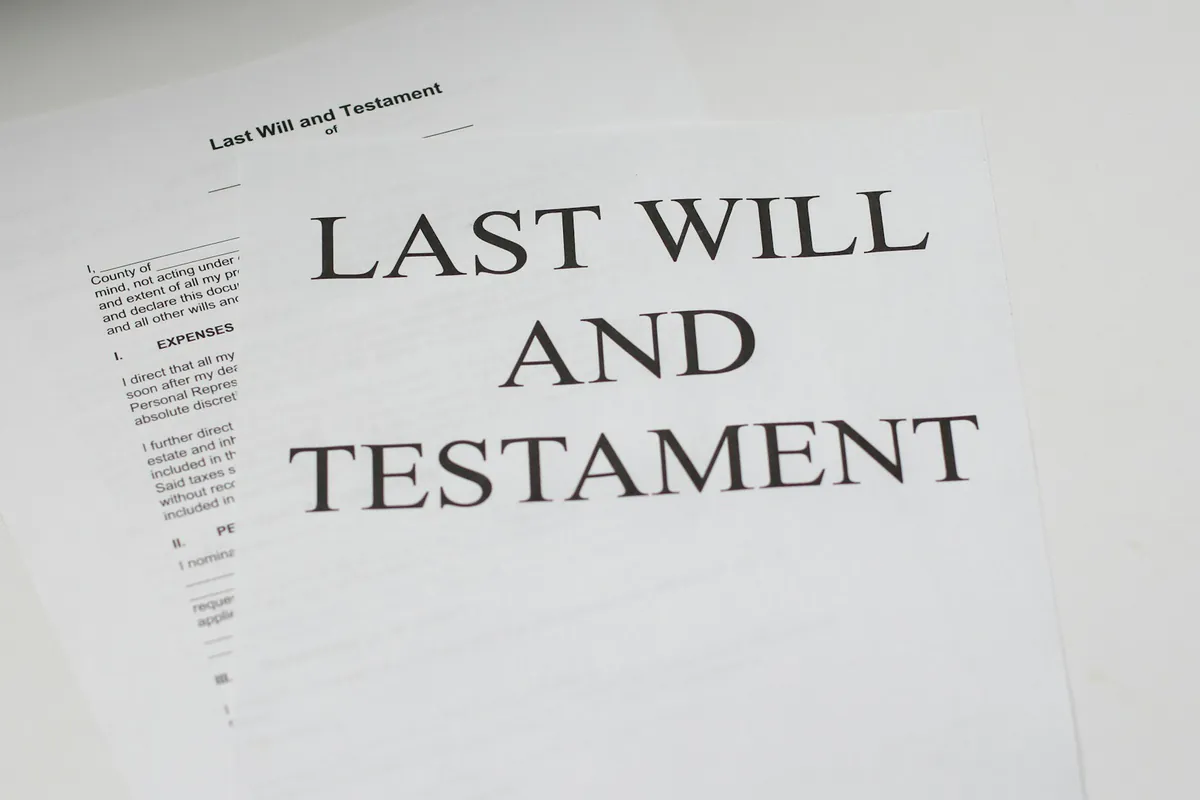
Two of the most common questions from heirs dealing with an inherited house are: do I have to go through probate before I can sell, and if so, how long will it take? The honest answers are: it depends on how the property was titled, and if you do need probate, the timeline is typically measured in months, not weeks.
The good news is that probate is not required in every situation, and even when it is required, selling is usually possible, just on the court’s schedule rather than your own.
What probate is and what it does
Probate is the court-supervised legal process that validates a deceased person’s will, appoints someone with legal authority to manage the estate, settles outstanding debts, and transfers remaining assets to heirs. For real estate specifically, probate is the mechanism that establishes clear, transferable title.
Title companies require clear title before insuring a transaction, and a buyer’s lender requires title insurance before funding a mortgage. If the house is still legally in the deceased’s name without proper court authorization to transfer it, no conventional sale can close. Probate (or an approved legal alternative) is what removes that barrier.
The personal representative, called an executor if there is a will or an administrator if there is not, is given legal authority by the court to act on behalf of the estate. That includes the authority to sell real property, pay off any mortgage, and distribute proceeds.
When probate is NOT required
Not every inherited house must go through formal probate before it can be sold. Here are the main scenarios where title passes directly without court involvement:
Joint tenancy with right of survivorship. If the deceased owned the home jointly with another person and the deed specified right of survivorship, the surviving owner inherits the property automatically upon death. The survivor records the death certificate with the county recorder and the title transfer is complete, no court required.
Living trust. If the property was held in a revocable living trust, it passes to the successor trustee and ultimately to the trust beneficiaries according to the trust document. The trust itself is the legal owner, not the deceased person, so there is no need for probate to transfer the asset.
Transfer-on-death (TOD) deed. Some states allow property owners to record a deed that automatically transfers the property to a named beneficiary upon death, similar to a payable-on-death bank account. If your state allows TOD deeds and one was recorded, the beneficiary can take title immediately by recording the death certificate.
Community property with right of survivorship. In community property states, spouses can hold property in a way that passes the entire property to the surviving spouse automatically without probate.
Small estate procedures. Some states have simplified or affidavit-based processes for small estates below a certain value threshold that avoid or greatly shorten formal probate. These vary by state and are not available in all jurisdictions.
If any of these apply, confirm with an estate attorney in your state and then work with a title company to formally clear and insure the title. The process is far faster than probate, often weeks rather than months.
When probate IS required
If the home was titled solely in the deceased’s name with none of the transfer mechanisms above in place, probate is almost certainly required before any sale can close. This is the most common situation, particularly when the deceased did not do formal estate planning.
The steps in a typical probate process for a home include:
- Filing a petition with the probate court in the county where the property is located
- Notifying known creditors and publishing notice to unknown creditors
- Court appointment of a personal representative with authority to manage the estate
- Inventory and appraisal of estate assets, including the home
- Paying valid debts, taxes, and estate expenses from estate assets
- Court authorization (in some states) or independent authority (in others) to sell the real property
- Distribution of remaining proceeds to heirs per the will or state intestacy law
- Final court discharge of the personal representative
The timeline for this process depends on your state’s laws, the local court’s caseload, the size and complexity of the estate, and whether any disputes arise.
Can you list the house for sale during probate?
In most states, yes. The personal representative can list the property for sale and even accept an offer before probate is concluded, but the closing typically cannot occur until the court has granted the authority to transfer title.
In some states, a probate court must confirm the sale before it can close. In others, the personal representative has independent authority to close without a separate court hearing if the will grants that power. The rules vary significantly by state, and an estate attorney can tell you which procedures apply where you are.
What this means practically: If you want to sell the inherited home, you can begin the process (get it cleaned out, hire an agent or contact cash buyers, receive offers) while probate is ongoing. You just cannot close until title is clear. A cash buyer, who does not have a lender setting a firm close date, can often accommodate this timeline more easily than a buyer with a loan contingency.
The carrying costs problem
One of the most underappreciated costs of waiting through probate is the ongoing expense of owning the home. The estate is typically responsible for:
- Mortgage payments if there is an outstanding loan
- Property taxes
- Homeowner’s insurance
- Utilities (especially if the home needs heat in winter to protect pipes)
- Basic maintenance to prevent the property from deteriorating
- Lawn care and exterior upkeep to avoid code violations
In a state where probate takes 12 to 18 months, these costs can accumulate to tens of thousands of dollars and reduce what heirs ultimately receive from the sale. This is one of the most compelling practical reasons to move through probate as efficiently as possible and to sell as soon as title allows.
How to speed up the probate process
While you cannot change how long probate takes by law, some actions help avoid delays:
File promptly. Every week you delay filing the petition is a week added to the timeline. Most estate attorneys recommend filing as soon as the death certificate is available.
Keep creditors and heirs informed. Disputes, challenges, or creditors who cannot be located can freeze the process. Proactive communication reduces surprises.
Use an estate attorney. Probate has procedural requirements that vary by state. Errors in filings can cause rejections and delays. An experienced estate attorney navigates this faster than a self-represented heir.
Avoid will contests. If heirs are likely to dispute the will, try to address disagreements before filing if possible. A contested probate can add months or years.
Choose a capable personal representative. The personal representative needs to be organized, responsive, and able to make timely decisions. A slow or uninvolved executor is one of the most common causes of probate delays.
Selling to a cash buyer during or after probate
Cash buyers who specialize in inherited and probate properties understand that close dates are dictated by the court, not by the parties. Because they are not waiting on a lender, they can agree to close on whatever date title clears rather than requiring a fixed 30- or 45-day window.
For heirs who want to minimize carrying costs and exit the property as soon as legally possible, a cash offer agreed to during probate can set up a closing that happens within days of the court clearing title.
This is one of the key advantages of working with cash home buyers for an inherited property. No repairs are required, no showings are needed during the probate period, and the timeline adjusts to the legal process rather than forcing the legal process to adjust to a buyer’s financing timeline.
For more on the full process of handling an inherited home, our guide on how to sell an inherited house covers probate, taxes, and the decision-making process from start to finish.
What to verify before you try to sell
Confirm how the property was titled. Pull the current deed from the county recorder’s office. The vesting language will tell you whether the property passed automatically or requires probate.
Verify whether the estate is in probate or needs to be opened. If probate has not been started, it needs to be filed before you can sell. If it is already open, find out where it stands.
Identify all heirs or beneficiaries. In multi-heir situations, all parties with a legal interest in the property must agree to the sale or the personal representative must have court authority to sell over any objection.
Check for outstanding liens or mortgages. Title companies will identify these, but knowing in advance avoids surprises. Liens are typically paid at closing from sale proceeds.
Work with an estate attorney in the state where the property is located. Probate rules are state-specific. An attorney admitted in that state is essential, particularly if you live elsewhere.
The bottom line
Not every inherited house requires probate before you can sell. Joint tenancy, living trusts, and transfer-on-death deeds can all bypass the court process entirely. When probate is required, which is the case for most solely-owned homes without estate planning, the process typically takes 6 to 18 months and the property cannot close until title is legally clear.
The practical response is to start probate as quickly as possible, work with an estate attorney, control carrying costs, and be ready to sell the moment title clears. Cash buyers who work with estates can commit to a close date that adjusts to the probate timeline, which is one reason many heirs choose that route.
Visit our inherited house situation page for more resources, or get a no-obligation cash offer now so you have a number ready the day probate closes.