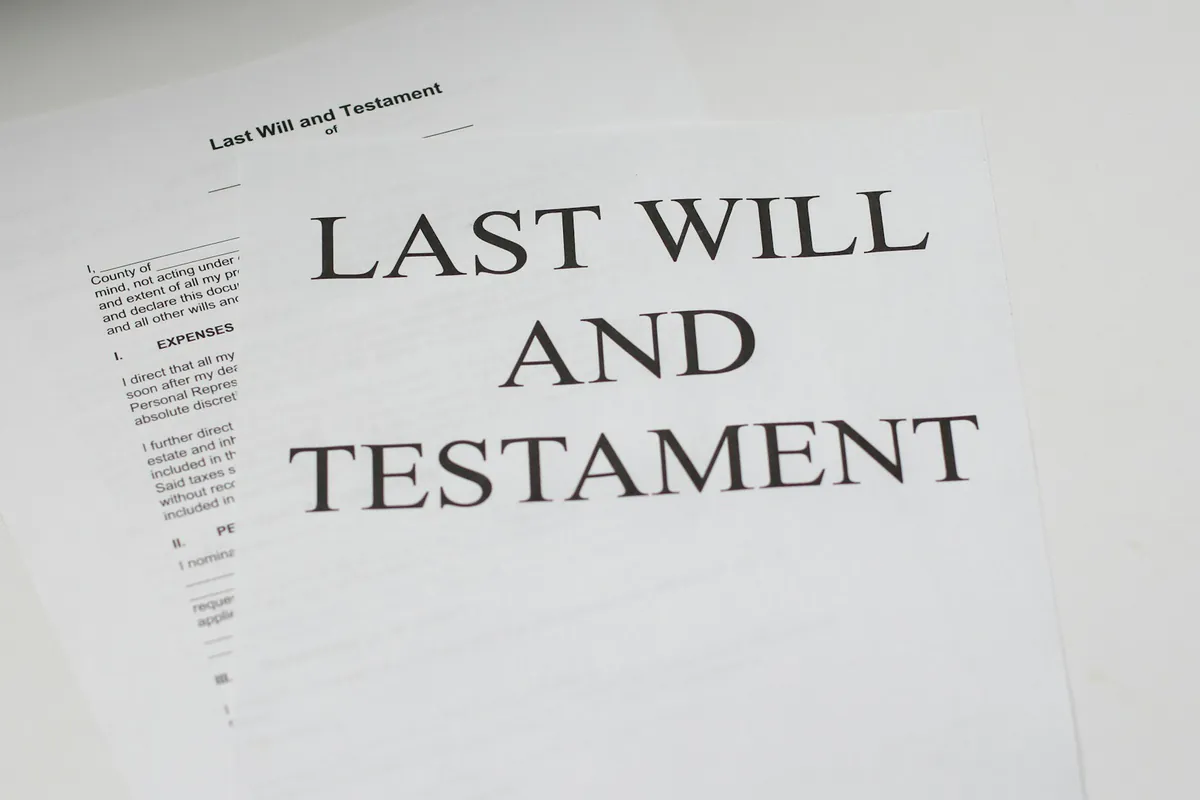
One of the first questions heirs ask after a loved one dies is how long they have to wait before they can sell the house. The honest answer is that it depends on the state, the complexity of the estate, and whether anyone contests the will. But most heirs can expect a minimum of several months and a realistic range of 6 to 12 months for a straightforward case.
Here is what actually drives the timeline and what you can do to shorten it.
What probate is and why it takes time
Probate is the court-supervised legal process for validating a deceased person’s will, inventorying their assets, paying their debts, and distributing what remains to the beneficiaries. A home that was owned solely in the deceased’s name typically must go through probate before clear title can be transferred to a new buyer.
Courts require probate because they are protecting the rights of creditors and heirs. The process is structured, not optional, and each state has its own rules about timelines, notices, and required hearings.
Typical probate timelines by case type
| Case Type | Expected Timeline |
|---|---|
| Simple estate, clear will, no disputes | 3 to 6 months |
| Moderate complexity, multiple heirs, some debts | 6 to 12 months |
| Complex estate, real property in multiple states | 12 to 24 months |
| Contested will or active disputes among heirs | 18 months to 3 or more years |
These are general ranges and vary significantly by state and county court. California, Florida, and New York tend to have longer timelines due to court backlogs. Some states offer expedited procedures for small estates.
What happens at each stage
- Filing: The executor files the will and a petition to open probate with the local probate court, usually within 30 to 90 days of death.
- Appointment and notice: The court appoints the executor and requires notice to be sent to heirs and published for creditors, typically over a 30 to 120 day window.
- Inventory: The executor documents and values all estate assets, including the home.
- Debt resolution: Known debts and creditor claims are paid from estate assets.
- Final accounting and distribution: The executor files a final account with the court, which reviews it and approves distribution to heirs.
- Discharge: The court formally closes the estate and discharges the executor.
The house cannot be sold with clear, marketable title until the executor has the legal authority to sign, which comes after the court appoints them, and usually until the court approves the sale or the estate is discharged.
Selling during probate versus waiting for it to close
In most states, the executor can petition the court to sell estate property before probate is fully closed. This is particularly useful when:
- The estate has debts that require cash to pay off
- The carrying costs of maintaining the property are draining estate funds
- The heirs agree they want to sell as soon as legally possible
A court-approved sale during probate requires notifying all beneficiaries and, in some states, holding a confirmation hearing. A probate attorney in your state can tell you whether this option is available and what the approval process involves.
If selling during probate is an option, a cash buyer can be an advantage here because they close faster than a financed buyer once the court approves the transaction. There is no lender requiring an appraisal or underwriting conditions that can delay a closing. For more context on the full inherited property selling process, the how to sell an inherited house guide covers what heirs need to know from beginning to end.
How to shorten the probate timeline
These steps can meaningfully reduce the time before you can sell:
- File promptly. Every week of delay at the start adds weeks to the end.
- Hire an experienced probate attorney familiar with the local court calendar.
- Publish the creditor notice as early as your state allows so the creditor window closes sooner.
- Resolve heir disagreements before they become formal disputes.
- Keep the estate’s financials clean and well-documented so the final accounting is smooth.
Some states offer simplified probate for small estates. If the home’s value and the total estate fall below a certain threshold, a summary administration or small-estate affidavit can bypass the full probate process. Consult a probate attorney in your state to find out whether this applies to your situation.
What the executor needs to sell the house
Once the executor has the legal authority to sell:
- The executor signs the purchase agreement on behalf of the estate.
- A title company confirms that the estate has clear title to transfer.
- The closing proceeds normally, with the net proceeds flowing to the estate for distribution to heirs.
Working with a cash buyer experienced in probate properties, like Homewise, can streamline this because they understand the documentation the title company needs from the estate and do not introduce financing delays.
The bottom line
Probate typically takes 6 to 12 months, but simple estates can move faster and contested ones take much longer. In many states, you can petition the court to sell the house before probate fully closes, which can shorten the wait significantly. Talk to a probate attorney in your state early, and if you want to move as fast as the court allows, get a no-obligation cash offer from Homewise so you have a concrete number ready when the court approves the sale.