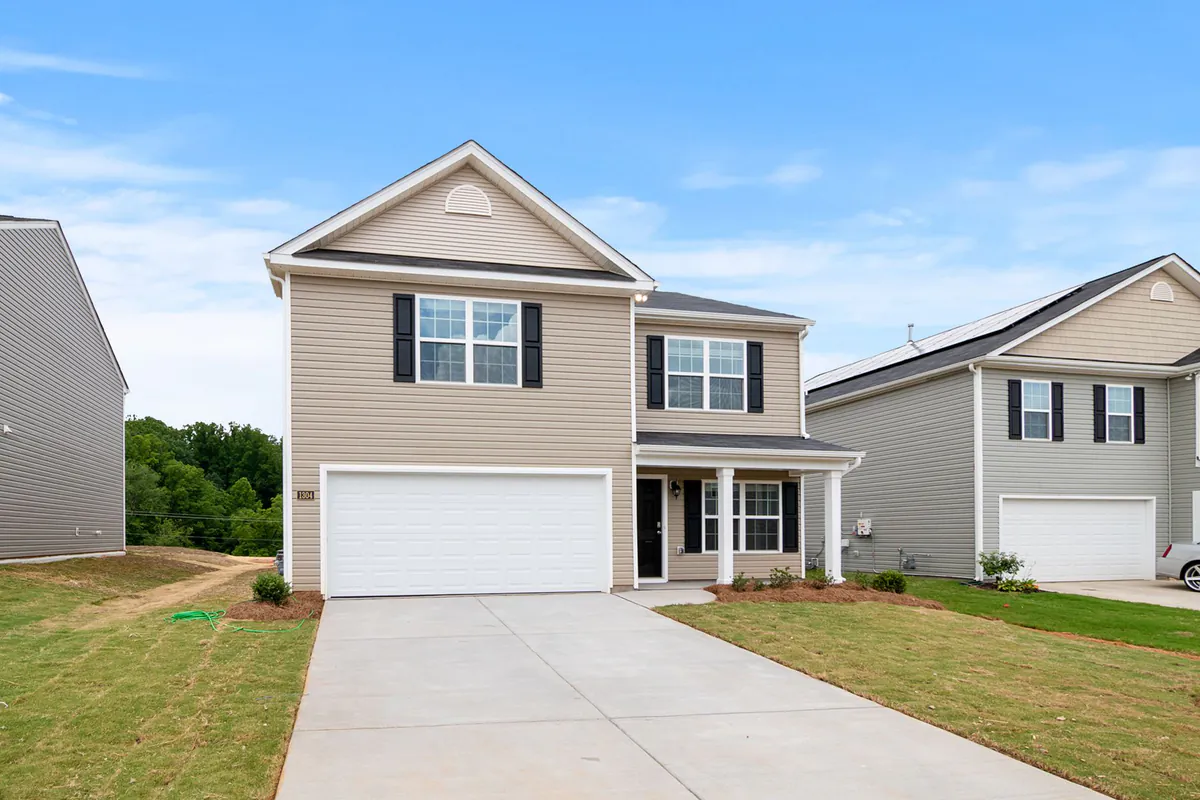
New York City is the slowest major market we buy in. The typical NYC home spends about 72 days on the market before going under contract, and the closing process behind it is longer still: New York is an attorney state, contracts are negotiated rather than form-signed, and financed deals routinely take 60 to 90 days after acceptance. A retail sale here is realistically a five-to-six-month project, and that is when everything goes right.
The outer boroughs are where fast sales actually happen
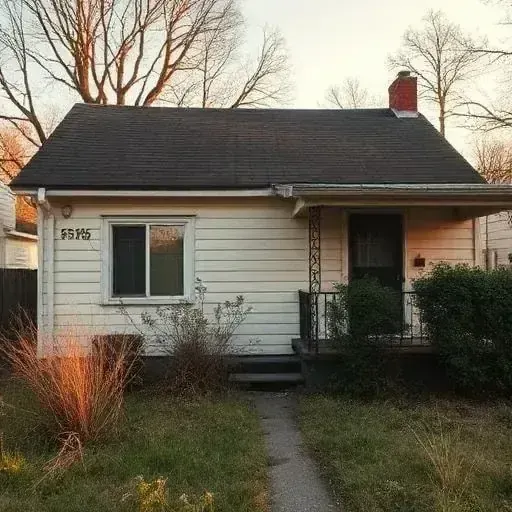
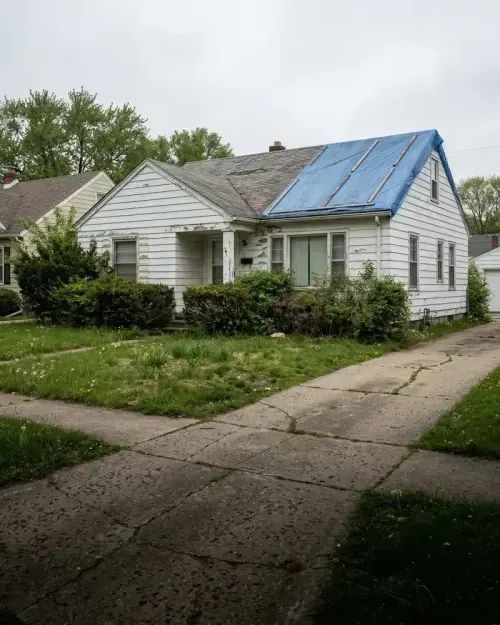
Most of what sells for cash in NYC is not a Manhattan condo. It is the two- and three-family row houses of Queens and Brooklyn, detached homes in the Bronx and on Staten Island, neighborhoods like Jamaica, Canarsie, East New York, Wakefield, and Port Richmond. These homes are frequently held for decades, passed through families, and carry the issues that scare retail buyers: un-permitted basement apartments, knob-and-tube era wiring, oil tanks, and open violations with the Department of Buildings. Cash buyers price those problems; lenders simply decline them.
Estates, surrogates court, and multi-heir title
NYC probate runs through Surrogate’s Court and moves at its own pace, and inherited brownstones and row houses often have several heirs across several states. Recent market data counts roughly 2,591 cash home sales in the New York City area, and estate sales are a large share of them, because a direct sale lets the estate close on one number without renovating a century-old house to retail standard or coordinating showings across an occupied property.
Tenants change everything here
New York’s tenant protections are among the strongest in the country, and selling an occupied multi-family means the buyer inherits the leases, the rent history, and in stabilized units, the regulatory framework. Retail buyers of small multi-families usually want vacant delivery, which can take a year or more to arrange lawfully. Investors buying for cash underwrite occupied buildings as they stand. If you own a free-market, renovated property and have two seasons to spare, the retail market pays here like nowhere else. If the building is occupied, violation-encumbered, or tied up in an estate, a direct sale is often the only path that closes on a calendar you control.