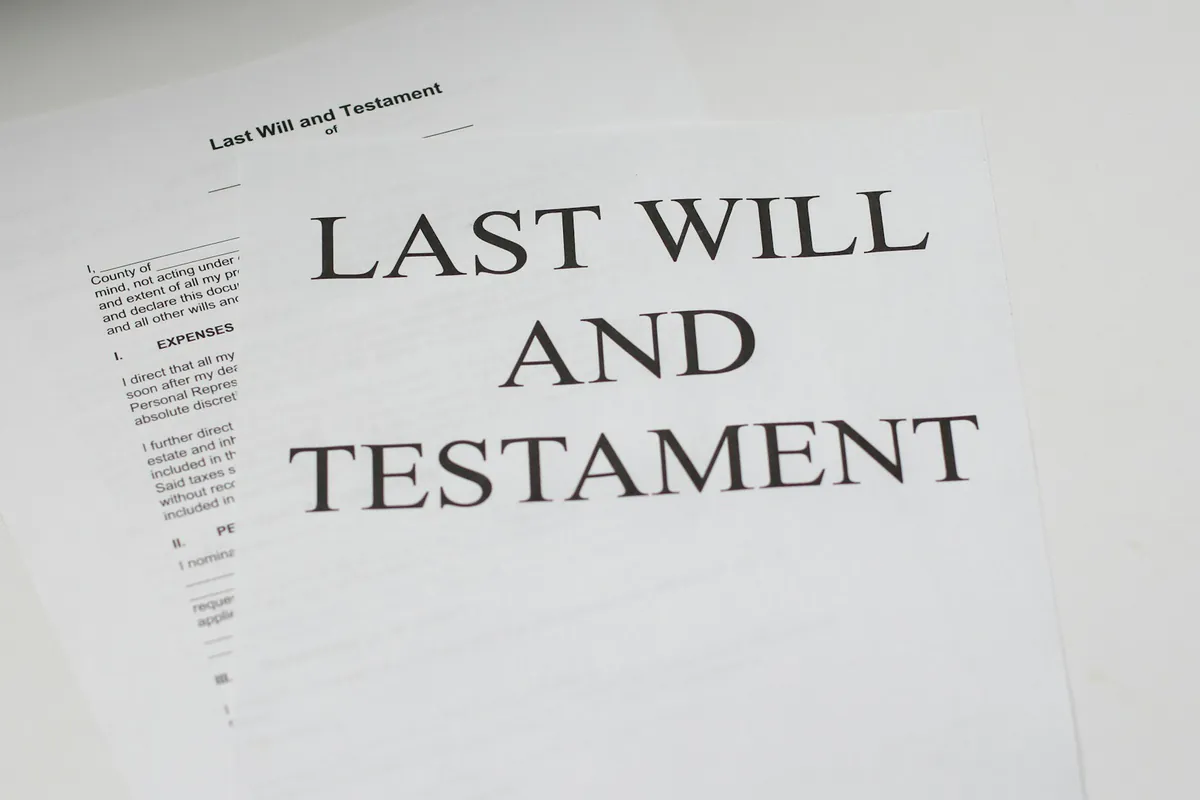
Selling an inherited house for cash is genuinely fast once the legal side is in order. The part that surprises most heirs is not the sale itself but the setup required beforehand: confirming title, navigating probate if needed, and lining up a buyer who can move on your timeline rather than a lender’s.
Get those pieces in place and the actual close can happen in days. Skip them and the sale stalls at the title company regardless of how motivated the buyer is.
Why heirs choose cash sales for inherited properties
The reasons are practical, not just emotional. Inherited homes often present challenges that make a traditional listing complicated:
Condition. Many inherited homes have deferred maintenance, dated interiors, or outright repairs needed. Listing on the MLS means competing against updated, move-in-ready homes. Cash buyers purchase as-is, which means no renovation required before selling.
Carrying costs. Every month the estate holds the property, it pays the mortgage (if any), property taxes, insurance, and utilities. For a home valued at $300,000 with a mortgage and typical holding costs, this can easily run $2,500 to $4,000 per month. Heirs who live out of state or have already settled the estate financially want these costs to stop.
Multiple heirs. When two or more siblings or relatives inherit a home together, reaching consensus on a listing price, agent, and showing schedule can be difficult. A cash offer creates one clean number for everyone to evaluate and accept or decline. See our full guide on how to sell an inherited house for more on managing multi-heir situations.
Distance. Heirs who live in another city or state cannot easily coordinate repairs, showings, and inspections. A cash sale eliminates most of those logistics.
Certainty. Traditional home sales fall through for financing and appraisal reasons at a meaningful rate. A cash buyer has no lender, no appraisal requirement, and no financing contingency. Once you accept the offer, the sale closes.
The one thing you need before any sale can close: clear title
This is the step that catches heirs off guard. Regardless of how motivated you are to sell and how quickly a cash buyer wants to close, no sale closes without clear, insurable title.
Title is the legal proof that you have the right to sell the property. After someone dies, title cannot simply transfer because you are their heir. It must transfer through a legal mechanism.
When title transfers automatically (no probate):
- The home was held in joint tenancy with right of survivorship and you are the surviving co-owner
- The home was held in a living trust and you are the named successor trustee or beneficiary
- The property had a valid transfer-on-death deed recorded in your name
- Community property with right of survivorship (in applicable states)
In these cases, you record the death certificate with the county recorder, get a title search done, and you can typically close within 1 to 3 weeks of everything being confirmed.
When probate is required:
- The home was solely in the deceased’s name
- There was no joint tenancy, trust, or TOD deed in place
- The will (or lack of one) leaves real property that must pass through court
In probate, the court appoints a personal representative who has legal authority to sell. The sale cannot close until that authority is granted and the title company receives the appropriate court documents. Probate typically takes 6 to 18 months depending on state and complexity.
The good news: you can receive and agree to a cash offer during probate. The buyer agrees to wait for title to clear and sets the close date accordingly. This means you can have everything lined up so the sale closes within days of the court granting authority.
What to do immediately after inheriting
Whether you know you want a cash sale or not, these steps protect your options and speed up your timeline.
Get the death certificate filed. The estate cannot move forward without certified copies. Order more than you think you need, since banks, courts, and title companies all require originals or certified copies.
Pull the current deed. Visit the county recorder’s office or search their online database for the property address. The deed tells you exactly how the property was titled and whether probate is required.
Contact an estate attorney. Even if the home passes outside of probate, an estate attorney can confirm the path, prepare trustee or authority documents, and coordinate with the title company. For probate situations, an attorney is not optional.
Assess the property’s condition and any outstanding obligations. Is there a mortgage? Are property taxes current? Are there any liens? A title search (ordered by the title company at sale) will surface these, but knowing in advance avoids surprises.
Get a cash offer. You can contact a cash buyer at any stage of this process, even before probate is resolved. Getting an offer on the table gives you a number to evaluate and means you lose no time once title clears.
How to get the right cash offer on an inherited house
Not every offer that arrives is fair or comes from a reputable buyer. Here is how to evaluate what you receive.
Ask how the offer was calculated. A legitimate cash buyer will walk you through the after-repair value (the home’s value once updated), the estimated cost of repairs, holding costs, and the buyer’s margin. The formula looks like this:
Offer = After-Repair Value minus Repair Costs minus Holding and Closing Costs minus Buyer Margin
When a buyer explains each number, you can assess whether the repair estimate is reasonable and whether the margin is within normal range. When a buyer refuses to show the math or pressures you to sign immediately, that is a warning sign.
Compare offers from multiple buyers. Cash buyers are not all the same. Getting 2 to 3 offers gives you a real market data point. A single offer with no comparison has no context.
Verify the buyer’s ability to close. A legitimate cash buyer can provide proof of funds, references from previous sellers, and a clear timeline. Be cautious of buyers who cannot demonstrate they actually have the capital to close.
Understand the timeline. Ask specifically: when can you close if title clears on a given date? A buyer who can commit to closing within 7 days of title clearance is more valuable to an heir dealing with ongoing carrying costs than a buyer who needs 30 days after title.
Inherited property in any condition
One of the largest practical benefits of a cash sale for an inherited home is that the buyer purchases the property in its current condition. You do not need to:
- Clean out the contents of the home before closing
- Make repairs to pass a buyer’s inspection
- Paint, stage, or update anything
- Meet a contractor to get estimates you then have to fund out of pocket
The buyer prices the condition into the offer and handles the work after closing. For heirs dealing with a home full of decades of belongings, or a home with deferred maintenance, this is a significant practical advantage over listing on the MLS.
The tax picture when you sell fast
Heirs often worry that selling quickly triggers a worse tax outcome. The opposite is generally true.
Inherited property automatically qualifies for long-term capital gains treatment regardless of how quickly you sell. You are not penalized with short-term rates for selling the day after inheriting.
The step-up in basis resets your cost basis to the home’s fair market value at the date of death. If you sell within weeks of inheriting, the sale price and the stepped-up basis are likely close to the same number, meaning your taxable gain is very small or zero.
Waiting and holding the property creates the potential for additional gain (if values rise) but also increases the carrying costs the estate absorbs. Many heirs find that the tax cost of a fast sale is lower than the ongoing cost of holding.
That said, tax situations vary by heir, by state, and by the property’s history. Consult a CPA before you close, particularly if the estate had rental income, the home has appreciated substantially since the date of death, or multiple states are involved.
Working with the [situations/sell-inherited-house] page and your attorney
The mechanics of a cash sale are simple: agree on a price, sign a purchase agreement, let the title company do its work, show up to the closing table (or sign remotely), and receive your proceeds. What makes inherited home sales complicated is the legal layer on top of that simple transaction.
The title company, your estate attorney, and the personal representative need to coordinate. A buyer who has experience with inherited and probate properties understands this coordination and does not create friction when the process moves at the court’s pace.
Visit our inherited house situation page for additional resources on the full process, or connect with our team directly.
The bottom line
Selling an inherited house for cash is one of the fastest ways to close out an estate, stop carrying costs, and distribute proceeds to heirs. The speed depends almost entirely on how quickly title clears, not on the buyer’s willingness. Get the legal side in order first, then line up a buyer.
A cash home buyer can receive, evaluate, and commit to an offer at any stage of the estate process and close within days of title being confirmed. No repairs, no agent fees, no showings.
Get a no-obligation cash offer today and know what your inherited property is worth before you commit to any path.