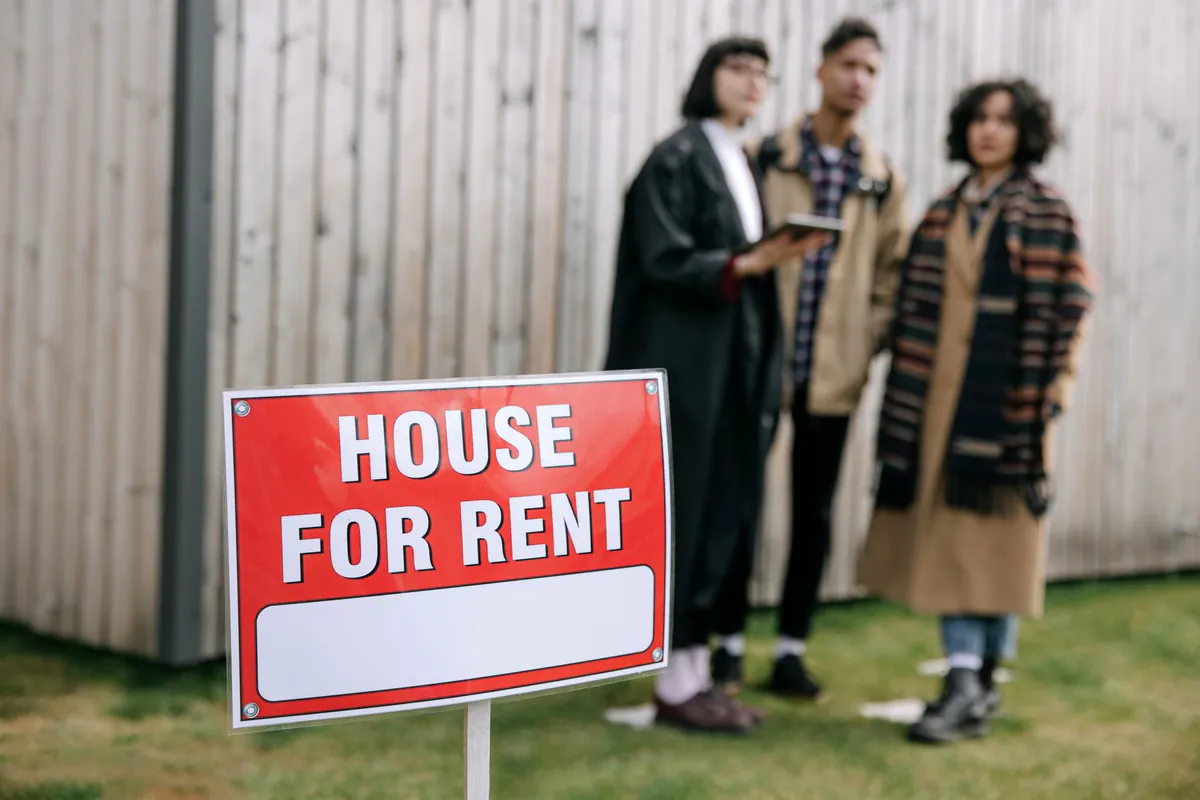
Selling a tenant-occupied property is harder than selling a vacant home. That is a straightforward fact. Tenants have legal rights, access is controlled by notice requirements, and not every buyer wants to inherit an active lease. But harder does not mean impossible, and for many landlords it does not even mean significantly slower.
The key is matching the right type of buyer to the situation. A retail buyer who needs a move-in-ready home on a specific timeline is not the right fit. A cash investor who acquires rental properties as a business is a very natural fit.
Why tenant-occupied sales are more complex
The complications fall into three buckets:
Access and showings. Most states require 24 to 48 hours advance written notice before you enter a tenant-occupied home for showings. Some tenants will cooperate fully. Others will be difficult: not answering notices, keeping the home messy, or being present and awkward during showings. You cannot control tenant behavior the way you can control a vacant home.
Condition. A tenant who knows a sale is coming has little incentive to keep the property in showcase condition. Buyers walking through a lived-in rental may encounter clutter, deferred cleaning, or personal items that make the home feel less appealing than photos showed.
Buyer pool limitations. Many retail buyers need a home they can move into after closing. A home with a lease running for eight more months takes that buyer off the table entirely. Your pool shrinks to investors, which is a smaller segment of the market.
Your options
| Approach | Timeline | Best for |
|---|---|---|
| Sell with tenant in place to a cash investor | 7 to 30 days | Need speed, do not need top retail price |
| Wait for lease to expire, then sell vacant | Lease end plus prep time | Want retail buyers, have time |
| Offer cash for keys, get the tenant out early | 2 to 6 weeks negotiating | Want vacant sale, tenant may accept |
| Give proper notice to a month-to-month tenant | 30 to 90 days (varies by state) | Tenant is month-to-month, willing to move |
The fastest path is almost always selling to a cash buyer who accepts the tenant in place. The investor purchases the lease as-is and takes over as landlord on closing day. No showings through tenant space, no negotiation with the tenant, no waiting.
What happens to the tenant and the lease when you sell
When you sell a tenant-occupied property, the lease transfers to the new owner. The new owner is bound by the same lease terms: same rent, same end date, same rules. The tenant cannot be forced out simply because the owner changed. Security deposits must also be transferred or accounted for.
This is standard for investment property transactions. A buyer who understands rental property will already know this and will factor the lease terms, rent amount, and end date into their offer. A below-market lease may reduce the offer price; an above-market lease or a lease expiring soon may not affect it much.
See how HomeWise approaches rental and tenant-occupied sales for more on what to expect.
Selling without waiting for the lease to end
The main fear most landlords have is that the tenant will refuse to cooperate and make the sale difficult. In a cash sale, this matters far less because:
- No showings are required. The cash buyer does their due diligence without repeated tenant-access requests.
- No lender is involved. There is no mortgage underwriting contingency that could conflict with the existing lease.
- The offer comes in within days, the buyer is already familiar with tenant-occupied properties, and closing can happen fast.
For a landlord who wants to exit a rental investment quickly, selling to a cash home buyer is the path that removes the tenant-cooperation variable from the equation.
The bottom line
Selling with tenants is harder than selling vacant, but it is not a barrier if you match the sale to the right buyer. A cash investor who buys rental properties will close with the tenant in place, on a timeline you control, without requiring you to manage access, improve condition, or wait for the lease to expire.
If you are ready to get out of a rental with tenants still living there, request a no-obligation offer at /get-offer/ and see what you can net without the headaches of a traditional listing.