Every month a vacant house sits costs money. Mortgage payments, property taxes, insurance, and utilities do not stop because no one is living there. Add the risk of a burst pipe going undetected, a break-in, or a lender adding vacancy conditions to a buyer’s loan, and the math on waiting for the perfect offer starts looking worse.
The fastest way to sell a vacant house is also the most direct: a cash buyer who closes in days, not months, with no staging, no repairs, and no carrying costs compounding while the home sits listed. Whether that is the right path for you depends on the condition of the property and how much waiting time is actually worth.
Why vacant homes struggle on the MLS
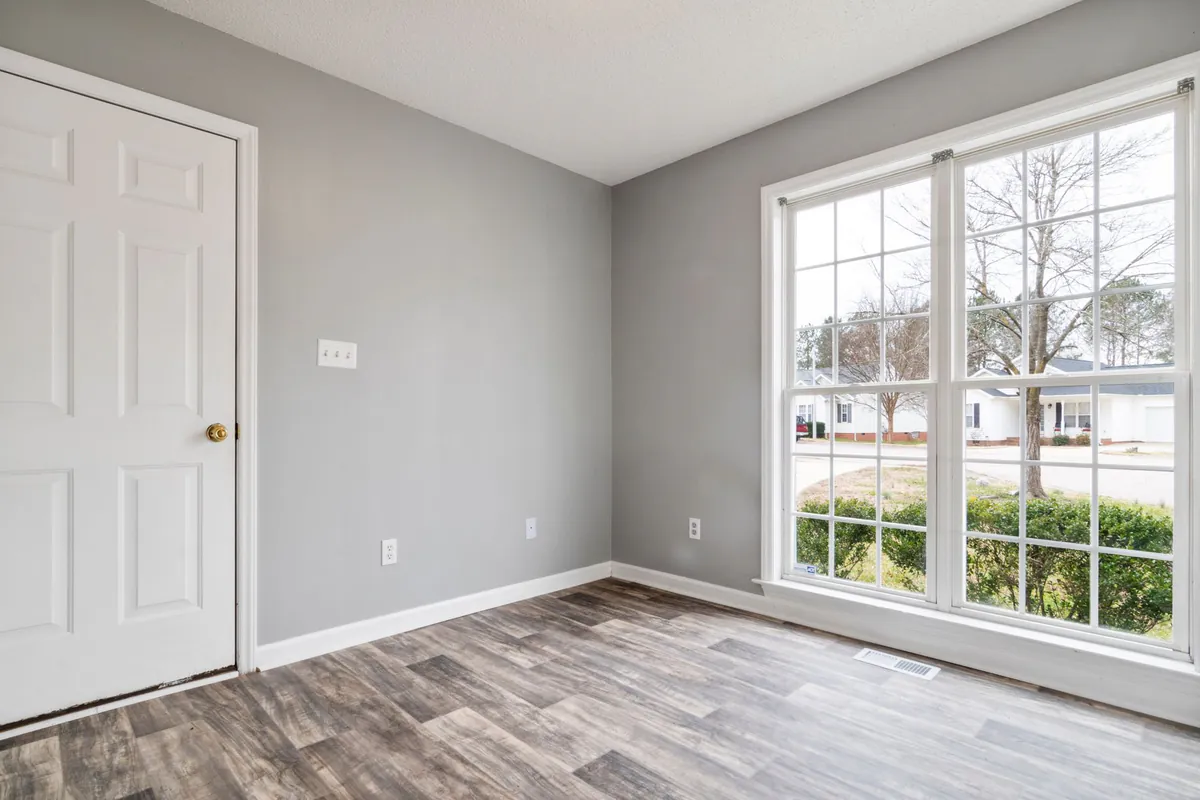
Empty rooms photograph poorly. They look smaller than they are, the lighting is unflattering, and buyers have trouble imagining furniture and life in them. Listing agents know this, which is why many push for at least partial staging before going live.
Beyond aesthetics, vacant homes often attract lower offers from financed buyers because:
- Lenders may classify a home as vacant and add inspection conditions or require the seller to carry vacancy insurance
- Buyers assume the seller is more motivated and lowball accordingly
- Days on market accumulate faster with no staging, signaling the home is stale
- Vandalism, mold, and deferred maintenance concerns make cautious buyers hesitant
None of these problems affect a cash buyer. Cash buyers evaluate the property on its physical characteristics and location, not on how it photographs or feels during a tour.
The real cost of letting a vacant home sit
Before choosing to list and wait, calculate what holding the property actually costs each month:
| Monthly expense | Example range |
|---|---|
| Mortgage (if any) | Varies by loan balance |
| Property taxes | 200 to 600 dollars on a typical home |
| Homeowner insurance (or vacancy rider) | 100 to 300 dollars or more |
| Utilities (minimum to keep pipes safe) | 100 to 250 dollars |
| Lawn care and basic maintenance | 50 to 200 dollars |
| Total carrying cost | ~$1,000 to $2,500 per month |
A three-month listing at 1,500 dollars per month in carrying costs is 4,500 dollars gone before you close. If the property needs cosmetic work to compete on the MLS, add staging fees, repair costs, and possibly a price reduction for stale days on market.
This is why many sellers who run the full numbers find that a cash offer that looks 8 to 10 percent below market actually nets the same or more once carrying costs are subtracted from the hypothetical traditional sale.
Vacancy insurance: do not skip this step
Standard homeowner insurance policies typically contain a vacancy clause. If the home sits empty beyond 30 to 60 days (the threshold varies by policy), coverage can lapse or be dramatically reduced. A burst pipe, fire, or vandalism in a lapsed-coverage vacant home becomes entirely your financial problem.
Before you leave a home vacant for more than a month:
- Read your current homeowner policy’s vacancy exclusion clause
- Contact your insurer about a vacancy endorsement or rider
- Or switch to a landlord/vacant dwelling policy designed for empty properties
This is a YMYL item: consult your insurance provider for the exact terms of your coverage. Rules vary by insurer and state.
Who buys vacant houses fast
Cash buyers and direct purchasers are the natural buyer for a vacant home. The property is easy to access, easy to inspect, and has no lease complications. A cash buyer can move from first contact to closing in as little as 7 days on a vacant property.
Real estate investors looking for flips or rentals are also a primary market. They are comfortable with empty homes, quick to make offers, and experienced with titles and permits.
Owner-occupant buyers on the MLS are the largest pool but the slowest. They need staging or imagination, require financing (which adds lender conditions for vacant properties), and take 30 to 45 days to close after going under contract, plus marketing time.
For the fastest possible exit, cash home buyers who specialize in as-is purchases are the most direct path. For sellers who can wait and have a well-maintained home, the MLS can reach owner-occupants willing to pay closer to full market value.
Securing and maintaining a vacant home while you sell
Whether you list or sell to a cash buyer, a vacant home needs basic maintenance during the transition:
- Change the locks and confirm all entry points are secure
- Keep heat (or air conditioning) running to prevent pipe damage and mold
- Cut the grass and maintain the exterior to avoid code violations and neighborhood complaints
- Install a security camera or check in weekly
- Remove any personal property, hazardous materials, or items you want to keep
A cash buyer may not require any of this before closing, but protecting the home while it is yours limits your liability and keeps the property from deteriorating further during the process.
Staging vs. selling as-is: what actually affects the number
For an MLS listing, the return on basic staging is generally positive. Staged homes in most markets sell faster and for prices closer to asking than unstaged vacant homes. However, the return diminishes on lower-price properties, in markets where investors dominate, and on homes that need significant repairs regardless.
For a cash sale, staging has essentially no effect on the offer. Cash buyers are pricing off comparable sales, the as-is condition, and what they can do with the property. A fresh coat of paint does not change a cash buyer’s math. Save the money.
For the full comparison on whether staging is worth it, see is it better to sell a house empty or staged.
The bottom line
A vacant house costs money every month and carries physical risks that an occupied home does not. The fastest way out is a cash buyer who closes in days, buys as-is, and requires nothing from you in preparation.
If the home is in good condition and you can absorb two to four months of carrying costs, listing on the MLS with light staging gives you the best shot at a higher gross sale price. Run both numbers before you decide: a fast cash offer now versus a hypothetical higher price three months from now minus carrying costs, staging, and commission.
For sellers who need to act quickly on a vacant home, the sell vacant house situation guide covers the full process.
Request a no-obligation cash offer and know your number today without any obligation to sell.