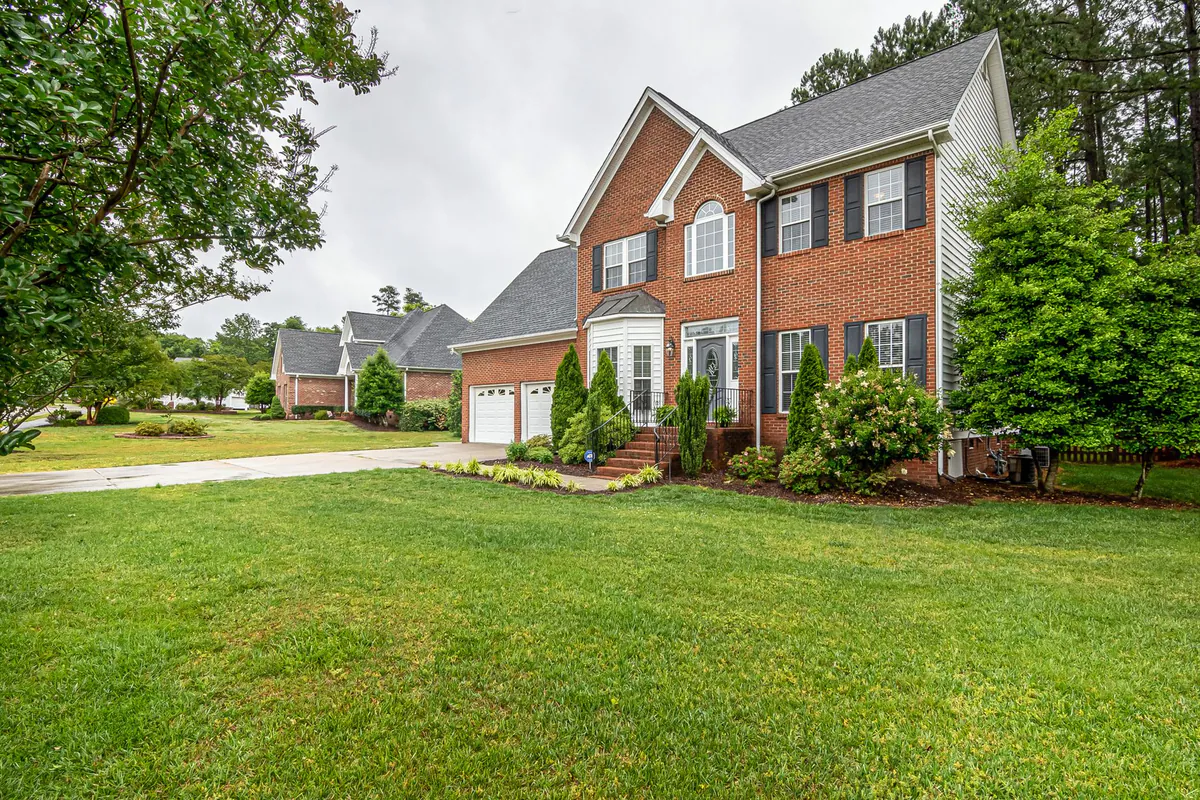
The most common mistake sellers make before listing is overspending on repairs that the market will not reimburse. Research consistently shows that the average dollar spent on pre-sale renovations returns less than a dollar in added sale price. That means every major repair you fund is a bet that you will get it back at closing, and most of the time, that bet loses.
Here is a clear framework for what to skip, what is worth doing, and when the smarter move is to sell without doing anything at all.
The rule of thumb: only fix what buyers pay you back for
Before spending any money on pre-sale repairs, ask one question: will this specific improvement generate a higher sale price that exceeds its cost, plus the agent commission on the incremental amount, plus any carrying costs added by the delay?
For most major repairs, the answer is no. Here is why:
- Buyers discount the price by what they think the repair will cost, often overestimating it.
- Agent commissions apply to the entire sale price, including the portion generated by your repairs.
- Every week a home sits because it is under renovation adds carrying costs.
- Buyers still negotiate after inspection, sometimes using your newly repaired items as a baseline for demanding more.
The renovations that come closest to breaking even are the ones with high visual impact relative to low cost. The ones that lose money most reliably are the large structural and mechanical projects.
What not to fix before listing
Full kitchen remodels
A full kitchen remodel is one of the most expensive and least reliable pre-sale investments. Midrange kitchen renovations cost $25,000 to $75,000 and frequently return 50 to 70 cents on the dollar in added home value, according to industry cost-versus-value analyses. If you spend $40,000 on a kitchen and the home sells for $25,000 more than it would have untouched, you have lost $15,000 before commissions.
Minor kitchen updates, like new hardware, a fresh coat of paint on cabinets, and modern light fixtures, can improve buyer perception at a fraction of the cost.
Full bathroom remodels
Same math as kitchens. Full bathroom renovations are expensive, slow, and produce unpredictable returns. Buyers have personal preferences about finishes and layout, so a bathroom you spent $20,000 redoing may not even align with what the buyer would have chosen.
Cleaning, re-grouting, replacing a dated toilet or vanity, and fixing caulk lines can achieve most of the buyer-perception benefit for a few hundred dollars.
Roof replacement
This is one of the most counterintuitive items on the list. A new roof costs $10,000 to $25,000 and rarely produces an equal increase in sale price. Buyers and their agents know how to negotiate a roof replacement into the price whether you have done it or not.
If your roof has significant remaining life but shows obvious wear, disclose the age and condition, price accordingly, and let the buyer decide what to do. If the roof is actively leaking or causing water damage, that is a different situation that likely requires attention, but even then, a cash buyer can handle it as part of their post-purchase renovation.
HVAC replacement
A working HVAC system, even an aging one, rarely justifies full replacement before sale. A buyer who wants a new HVAC will negotiate for one regardless. A cash buyer prices the condition of the system into the offer without requiring you to replace it.
If the system is non-functional, that changes the calculus, but even then, disclosure and a price adjustment is often preferable to a $6,000 to $12,000 replacement bill.
Foundation and structural work
Foundation repairs range from a few thousand dollars for minor crack sealing to $50,000 or more for major stabilization. Even after spending that money, foundation history can suppress buyer confidence and price.
If foundation issues are severe, the home may be difficult to sell to financed buyers whose lenders require clear structural reports. A cash buyer who specializes in distressed properties is often the more direct path.
Cosmetic upgrades beyond entry-level improvements
Luxury vinyl flooring throughout, quartz countertops, high-end appliances, and custom paint schemes are all things you will enjoy but buyers will re-price. These upgrades match only some buyers’ preferences. You are spending money that may not translate into a price increase from the specific buyer who ends up making an offer.
What IS worth doing before listing
The items worth spending on share a common characteristic: they cost very little relative to the perception they create.
| Improvement | Estimated cost | Why it works |
|---|---|---|
| Deep clean, including carpets | $300 to $1,500 | Buyers respond viscerally to clean. A dirty home gets lower offers. |
| Interior paint in neutral colors | $1,500 to $4,000 | Paint is one of the most cost-effective impression upgrades |
| Landscaping cleanup and curb appeal | $200 to $1,000 | First impressions are set before the buyer walks in the door |
| Fixing obvious safety issues | $100 to $2,000 | Broken steps, exposed wiring, and similar hazards affect buyer confidence and potentially your disclosure obligations |
| Cleaning out clutter and staging with existing furniture | $0 to $500 | Space reads larger when clear, and buyers can visualize living there |
| Minor plumbing fixes (running toilets, dripping faucets) | $100 to $500 | Small issues create disproportionate negative impressions |
These items collectively cost $2,000 to $10,000 and can improve buyer perception significantly. That is the category worth investing in. Everything above it needs to clear a much higher return-on-investment threshold before it makes sense.
The 30% renovation rule for sellers
The 30% rule is a guideline from investment real estate suggesting renovation costs should not exceed 30 percent of the after-repair value. Applied to pre-sale work, it functions as a ceiling, not a target.
For a $300,000 home, 30 percent is $90,000. That is the absolute outer limit of what you could rationally spend on renovations and still have positive economics, and that assumes the renovations are executed perfectly and the market absorbs the full value of the work. In practice, most sellers should aim for a much lower threshold, well under 10 percent of after-repair value, to have confidence that the investment produces a net positive.
When the repair list is too long: the as-is cash path
If your home needs more than a handful of the items above, get a cash offer before spending anything. The math changes when repair needs are extensive.
A cash buyer accounts for every needed repair in the offer price and handles the work after purchasing. You do not spend the money, manage the contractors, or wait for the renovation to finish before listing. You close in days, not months, and you skip agent commissions entirely.
For homes needing $15,000 or more in work, the net from selling as-is to a cash buyer is frequently within a few percentage points of what you would net after funding repairs, paying agent commissions, and carrying the property through a traditional sale.
See what cash versus traditional net proceeds look like side by side in the cash offers versus traditional sales guide, or go directly to the as-is selling page to understand how that process works.
You can also review specific as-is scenarios on the no-repairs situation page to see if your situation qualifies.
The bottom line
The default assumption that you should fix up before selling is frequently wrong, especially when the repairs are substantial. Most major renovation projects return less than they cost in added sale price. Cosmetic updates with high visual impact relative to low cost are the exception.
Before spending anything, get a cash offer. It gives you a real baseline: what the home is worth today, as-is, with no investment from you. Compare that against a detailed estimate of what a traditional sale would net after all costs, and let the actual numbers make the decision.
Request a no-obligation offer from HomeWise and have your baseline in 24 hours.