Contingent means the seller has accepted an offer on the house, but the sale will only close if specific conditions in the contract are met first. Until those conditions, called contingencies, are satisfied, the home is under contract but not sold, and the deal can still fall through.
That is the whole definition. The confusion starts with everything around it: what those conditions actually are, how contingent differs from pending, whether you can still make an offer on a contingent house, and how worried a seller should be when their buyer’s offer arrives loaded with escape hatches.
Here is how contingent status works from both sides of the table, which contingencies kill deals, and when it makes sense to remove them entirely.
What does contingent mean in real estate?
When a listing shows as contingent, a buyer and seller have signed a purchase agreement, but the contract includes conditions that must be resolved before closing. If a condition is not met, the buyer can typically walk away and get their earnest money back.
Think of it as a conditional yes. The seller said yes to the price and terms. The buyer said yes to the house. But the yes only becomes a closed sale if the inspection is acceptable, the loan gets approved, the appraisal supports the price, and the title comes back clean.
Contingencies exist to protect buyers from being forced to buy a house with a cracked foundation, a mortgage that never materializes, or a price the lender will not support. They protect sellers too, in a narrower way: a buyer who walks for a reason not covered by a contingency usually forfeits their earnest money deposit.
A financed contingent sale typically spends 30 to 45 days under contract while all of this gets worked out. During that window, the listing sits in contingent status and everyone holds their breath.
What are the most common contingencies in a home sale?
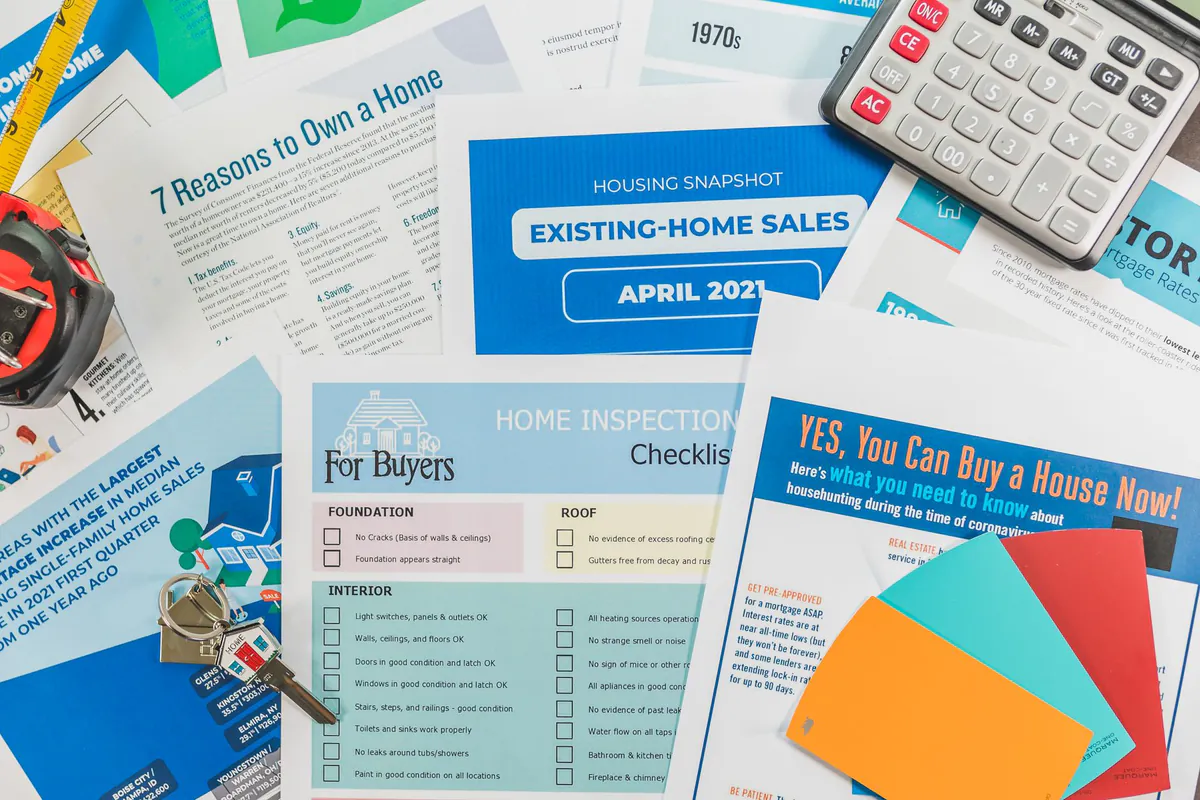
Five contingencies cover the vast majority of residential contracts. Most financed offers include at least the first three.
Inspection contingency
The buyer hires an inspector, usually within 7 to 10 days of signing. If the inspection turns up problems, the buyer can request repairs, ask for a credit, renegotiate the price, or cancel the contract outright. This is where more deals wobble than anywhere else, because an inspection report on any lived-in house will always find something. Whether the parties can negotiate through the findings is the real test. Sellers who list as-is are signaling in advance that they will not be making repairs, though buyers can usually still inspect and walk.
Financing contingency
Also called a mortgage contingency. The contract only holds if the buyer’s loan is fully approved by a set deadline. Pre-approval is not approval: underwriters can decline a loan late in the process over a job change, a new car payment, a low appraisal, or documentation problems. If the loan dies, the buyer exits with their deposit and the seller starts over.
Appraisal contingency
The lender orders an appraisal to confirm the house is worth what the buyer agreed to pay. If the appraisal comes in below the contract price, the lender will only finance the appraised value. The buyer must then bring extra cash, the seller must drop the price, they meet somewhere in the middle, or the deal dies. In fast-rising or fast-falling markets, appraisal gaps are a leading deal-killer.
Home sale contingency
The buyer must sell their current house before they can close on yours. This is the weakest position a buyer can offer from and the riskiest contingency a seller can accept, because your sale now depends on a second transaction you have no control over. Sellers who accept one usually pair it with a kick-out clause, covered below.
Title contingency
A title company searches public records to confirm the seller can legally transfer clean ownership. Liens, unpaid taxes, boundary disputes, and unknown heirs all surface here. Most title issues get cured before closing, but an uncurable defect lets the buyer exit. Title work happens in every sale, cash included, and that is a good thing for everyone.
Contingent vs. pending: what is the difference?
Both mean an offer has been accepted. The difference is how far along the deal is.
| Status | What it means | Can it still fall through? |
|---|---|---|
| Contingent | Under contract, conditions still unresolved | Yes, this is the risky stretch |
| Pending | Contingencies cleared or waived, waiting on closing | Rarely, mostly last-minute financing or title surprises |
Contingent is the earlier, shakier stage. The inspection has not happened yet, or the loan is still in underwriting, or the buyer’s own house has not sold. Pending means the contract has survived its conditions and is essentially in the paperwork phase.
You will also see sub-statuses on listing sites. “Contingent, continue to show” means the seller is still allowing showings and often accepting backup offers. “Pending, taking backups” means the seller wants a safety net even in the final stretch. Exact labels vary by MLS, but the logic is the same everywhere: the closer to pending, the closer to sold.
For buyers, the practical takeaway is simple. A contingent listing is still worth pursuing. A pending listing usually is not.
Can you make an offer on a contingent house?
Usually, yes. A contingent status is not a sold sign, and most sellers will accept a backup offer while their first contract works through its conditions.
A backup offer is a fully signed contract that automatically moves into first position if the current deal falls through. It costs you nothing to have one accepted, and it does two things: it puts you first in line, and it quietly pressures the first buyer to behave during repair negotiations, because the seller now has a ready alternative.
If the listing carries a kick-out clause, your new offer can do more than wait in line. It can force the first buyer to either drop their contingency and commit or release the contract, at which point you step in.
A few practical rules if you want a contingent house:
- Ask the listing agent whether the seller is accepting backup offers and which contingencies are still open. An open home sale contingency is far more fragile than a deal that is just waiting on the appraisal.
- Make your backup offer clean. Fewer contingencies and flexible dates make it easy for the seller to say yes.
- Do not spend money on inspections or applications until you are actually in first position.
How often do contingent offers fall through?
Less often than nervous sellers fear, more often than confident buyers assume.
The National Association of Realtors surveys its member agents monthly, and those surveys have consistently found that only around 5 percent of contracts are terminated before closing in a typical month. A larger share run into delays, often over financing or appraisal issues, but still make it to the closing table late.
So the honest answer: most contingent sales close. But a roughly one-in-twenty failure rate is not nothing when it is your house, your moving truck, and your next purchase riding on it. And failure is not evenly distributed. Deals are more likely to die when:
- The inspection reveals expensive structural, roof, or system problems and the parties dig in.
- The buyer’s financing is thin: small down payment, marginal credit, or a pre-qualification instead of a true pre-approval.
- The appraisal misses the contract price in a shifting market.
- The contract includes a home sale contingency, which stacks a second transaction’s risk on top of yours.
Every contingency in a contract is a documented, legal way for the buyer to exit with their deposit. Two contingencies mean two doors out. Five mean five.
What should sellers know about contingent offers?
If you are the seller, a contingent offer is normal, not a red flag. Nearly every financed offer comes with contingencies. Your job is to manage the risk, not to panic over it.
Vet the buyer before you accept
The strength of a contingent offer is mostly the strength of the buyer behind it. Require a full pre-approval letter from a real lender, and have your agent call that lender. Ask about down payment size and loan type. A strong buyer with a 30 day financing deadline is a very different bet than a stretched buyer with a 60 day one, even at the same price.
Take backup offers
Keep the house available for showings if your contract allows it, and accept backup offers in writing. A backup converts a fall-through from a two-month setback into a two-day one, and buyers negotiate repairs very differently when they know someone else is waiting.
Use a kick-out clause on home sale contingencies
If a buyer needs to sell their own house first, do not take your home off the market on faith. A kick-out clause lets you keep marketing the property. If a better offer shows up, the first buyer gets a short window, commonly 24 to 72 hours, to waive their contingency or walk. Without one, you can sit in contingent limbo for months waiting on a sale you cannot see or control.
Watch the calendar
Contingencies come with deadlines, and deadlines only protect you if someone enforces them. If the inspection period lapses with no response or the financing deadline passes without a loan commitment, your agent should be asking questions the same day, not the following week.
How does a cash sale remove contingencies entirely?
There is one type of offer where most of this chapter simply does not apply: a cash sale.
A direct cash buyer is not borrowing money, so there is no financing contingency and no lender-ordered appraisal that can blow up the price three weeks in. A company like Homewise makes its offer based on the home’s current condition, so there is no post-inspection repair negotiation either. The title search still happens, because clean ownership protects both sides, but the two contingencies that kill the most financed deals are gone from day one.
That certainty is the real product. The trade-off is price: a cash offer typically comes in below what a perfect open-market sale might bring, in exchange for a close in days instead of months and a near-zero fall-through risk. For some sellers the math favors listing. For sellers facing a deadline, a house that needs work, or a chain of contingent dominoes they cannot afford to watch collapse, the math often favors cash. We break down the numbers side by side in our guide to cash offers vs. traditional sales.
If you want to see what that looks like for your house, you can request a cash offer with no obligation, or read about how we help homeowners sell a house fast in any condition, in 40+ states. Comparing a firm cash number against a contingent financed offer is the cleanest way to decide which risk you would rather carry.
The bottom line on contingent listings
Contingent means accepted but not done. The seller has a buyer, the buyer has conditions, and the sale closes only if those conditions clear.
For buyers, a contingent house is still in play: ask about backups, make a clean offer, and be ready if door number one closes. For sellers, contingencies are manageable risk: vet the financing, set tight deadlines, take backups, and use a kick-out clause when a buyer’s own sale is in the way. And if the whole contingent waiting game is the thing you are trying to avoid, a no-contingency cash sale exists precisely for that.
Most contingent deals close. The smart move, on either side of the table, is to be prepared for the ones that do not.