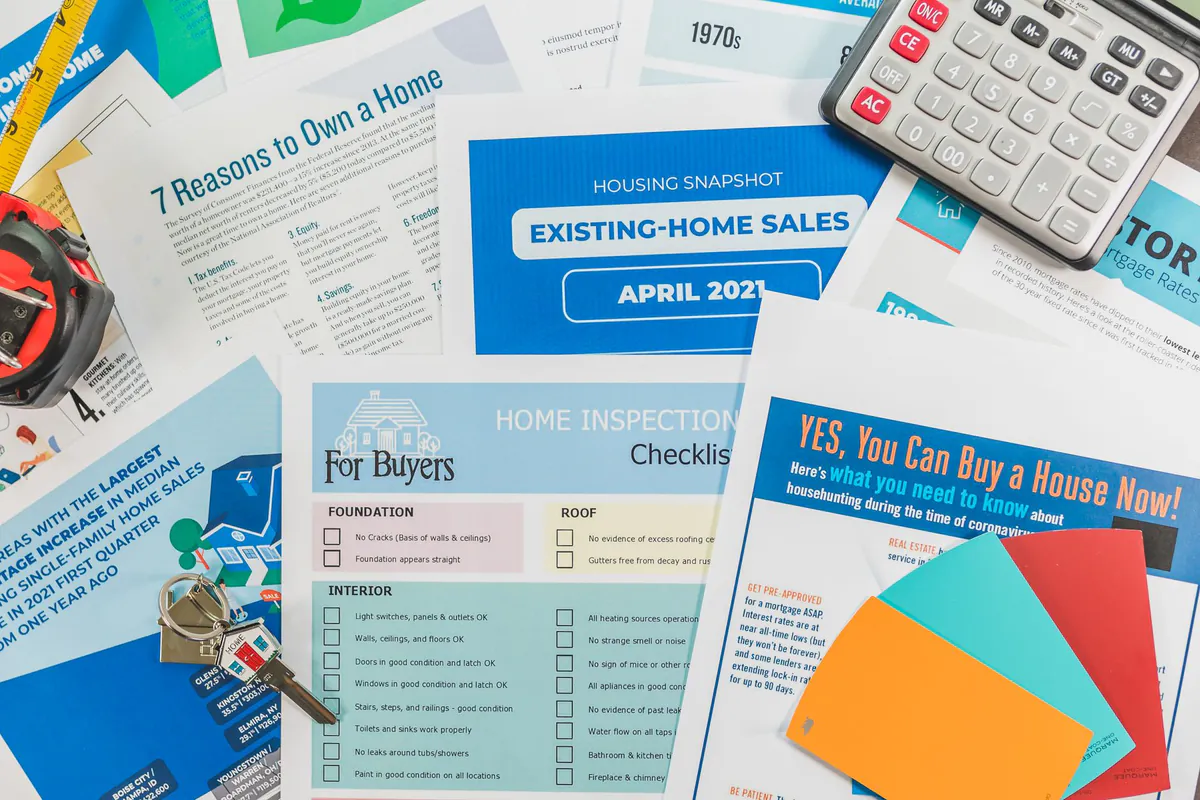
When you see a home listed as contingent, it means a seller has accepted an offer but the deal is not done. The sale depends on specific conditions, called contingencies, being satisfied before closing. If any contingency is not met, the buyer can typically walk away and recover their earnest money. Most purchase offers include at least one contingency, and many of those deals fall through before closing.
Understanding how contingencies work helps sellers evaluate the strength of any offer they receive, and explains why cash offers close faster and more reliably than financed offers.
What does contingent mean?
A contingency is a condition written into a purchase agreement that must be met before the sale is final. If the condition is not satisfied within the agreed timeframe, the buyer has the right to cancel the contract, usually without penalty, and typically receives their earnest money back.
For sellers, accepting a contingent offer means taking the home off the market (or marking it contingent) while waiting for conditions to resolve. If a contingency fails, the seller loses time, the listing loses momentum, and they often end up accepting a lower price when they relist.
Contingent vs. pending: what is the difference?
These two terms are frequently confused but represent different stages of the sale process.
| Status | What It Means | Can Another Buyer Make an Offer? |
|---|---|---|
| Contingent | Offer accepted but conditions must still be met | Usually yes, backup offers accepted |
| Pending | All conditions met, moving to closing | Rarely |
| Under Contract | Varies by market; often same as contingent | Depends on contract terms |
Once all contingencies are cleared, the listing typically moves from contingent to pending. At that point, the sale is expected to close unless a last-minute issue surfaces.
7 types of contingencies in real estate
1. Financing contingency (mortgage contingency)
The most common contingency. It gives the buyer a set period to secure final mortgage approval. If the lender denies the loan, the buyer can exit the contract. A pre-approval letter is not a loan guarantee, and final underwriting can reject a buyer weeks after an offer is accepted.
2. Inspection contingency
Allows the buyer to hire a professional inspector and request repairs or a price reduction based on findings. Inspection results routinely trigger extended negotiations. A buyer might ask for $15,000 in repair credits for a roof, foundation crack, or mold issue discovered during the inspection period.
3. Appraisal contingency
If the home appraises below the purchase price, the buyer can renegotiate or cancel. Lenders will not fund a mortgage for more than the appraised value, so this contingency protects the buyer from being forced to pay more than the lender will support. In competitive markets, some buyers waive this contingency to make their offer more attractive, which carries significant financial risk for those buyers.
4. Home sale contingency
The buyer’s purchase depends on first selling their current home. This is one of the weakest types of offers a seller can accept because it introduces a second transaction that must close successfully. If the buyer’s home does not sell, your deal fails regardless of how ready both parties are.
5. Title contingency
Ensures the seller has clear legal ownership with no liens, disputes, or unresolved encumbrances. Title issues are not common but can surface unexpectedly and delay or kill a sale while legal matters are resolved.
6. Insurance contingency
In flood zones, fire-prone areas, or older homes, buyers may struggle to secure affordable homeowner’s insurance. This contingency lets the buyer cancel if coverage is unavailable or prohibitively expensive, a real concern in certain California, Florida, and Gulf Coast markets.
7. HOA contingency
Gives the buyer time to review HOA documents, financial health, rules, and fees. If the HOA has pending litigation, insufficient reserves, or restrictions the buyer cannot accept, this contingency provides an exit.
How contingencies affect sellers
Every contingency in an accepted offer is a potential exit ramp for the buyer. As a seller, you take your home off the market while the buyer works through their conditions. If the deal falls apart after 30 or 45 days, you have lost weeks of momentum and must relist, often at a lower price because buyers become skeptical of homes that go back on the market.
The costs of a failed deal go beyond time. Additional mortgage payments, property taxes, insurance, and maintenance accumulate during the contract period. Homes that fall out of contract and relist often sell for less than the original contract price.
How cash offers eliminate contingency risk
Cash offers remove most contingencies entirely. There is no financing contingency because there is no mortgage. There is no appraisal contingency because no lender requires one. Most cash buyers purchase as-is, eliminating the inspection contingency as well. This is why cash sales close in 7 to 14 days instead of 45 to 60, and why they fall through less than 3 percent of the time compared to roughly 15 percent for traditional financed deals.
| Factor | Traditional (Financed) | Cash Offer |
|---|---|---|
| Financing contingency | Yes | No |
| Appraisal contingency | Yes | No |
| Inspection contingency | Usually yes | Often waived |
| Average close time | 45 to 60 days | 7 to 14 days |
| Risk of deal falling through | Moderate | Very low |
| Repairs required | Often negotiated | None (as-is) |
For sellers who want to avoid the uncertainty that contingencies create, a cash offer delivers a guaranteed closing date and eliminates the conditions that most commonly kill a deal. See our full comparison of cash offers vs. traditional sales to understand where the net proceeds differences actually land.
What to do if your deal is stuck in contingency
If you are a seller with a contingent deal that has been sitting without progress, you have a few options. First, check the contingency deadline dates in your contract. If a buyer has missed their inspection or financing deadline without formally removing the contingency, they may have already lost the right to exit for that reason.
Second, consider accepting backup offers simultaneously. If you did not do this at signing, talk to your agent or attorney about whether you can add a kick-out clause or open to backup offers now.
Third, evaluate whether a fresh cash offer would be worth releasing the current deal. If the contingent offer is tied up in financing uncertainty or inspection disputes, and a cash buyer is ready to close in 10 days, the guaranteed net may exceed what you would eventually receive from the current buyer after concessions.
The bottom line
Contingent means the sale is conditional, not complete. The more contingencies in an offer, the more ways that deal can fall apart before it reaches closing. Sellers who want certainty over the highest possible headline price tend to favor cash offers precisely because they remove the conditions that sink roughly 1 in 7 traditional deals.
If you are a seller weighing a contingent offer against a cash offer, or looking to skip contingencies entirely, get a free cash offer and compare your options with real numbers.