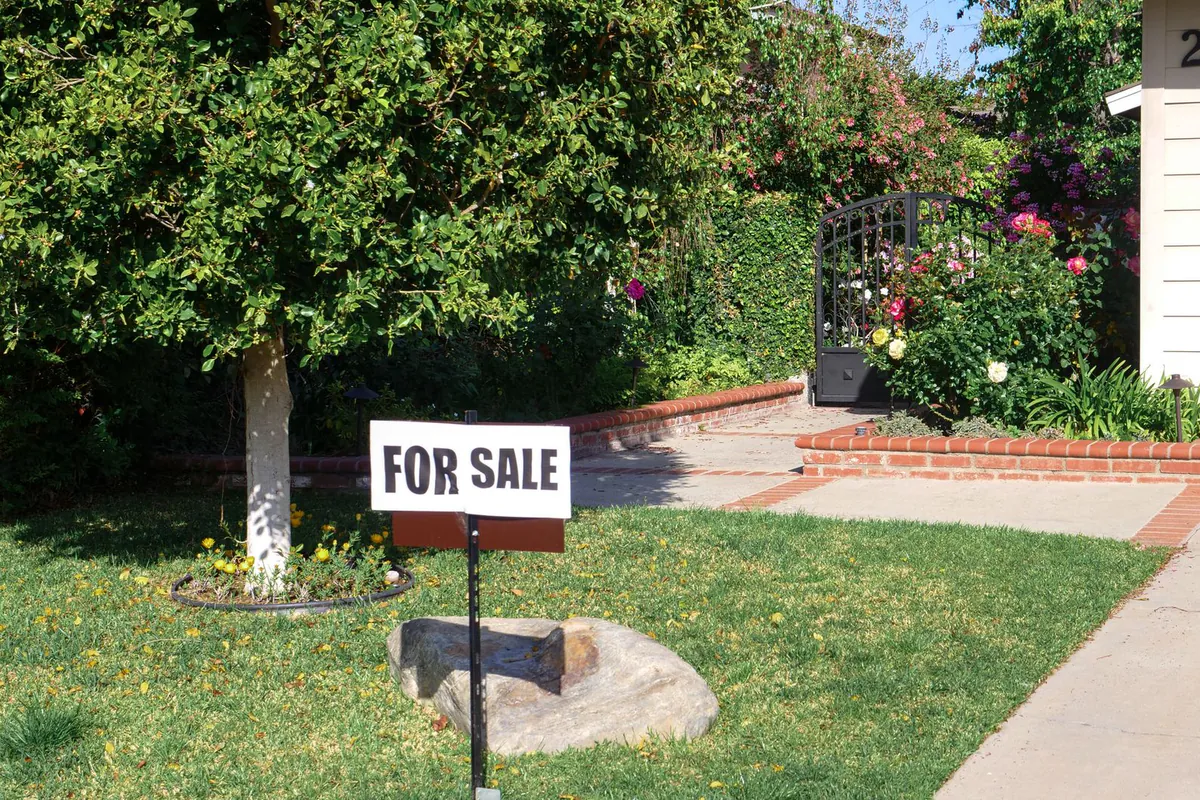
A house that will not sell is one of the most frustrating situations in real estate. Every day it sits on the market costs you money in carrying costs and concedes psychological ground to buyers who see a stale listing and sense an opportunity to lowball.
Before you decide what to do, you need to diagnose the actual problem - because the fix depends entirely on the cause.
Diagnose before acting: the three root causes
Nearly every stale listing traces back to one of three problems or a combination of them:
1. Price is too high
This is the cause in the majority of cases. Buyers and their agents run comparable sales - homes that actually sold, not homes that listed at a similar price. If your home is priced above where buyers can justify offers based on comps, you will get showings but no offers, or no showings at all.
A meaningful price reduction means moving to where your home is competitive against other sold homes, not just adjusting by 1 to 2 percent to signal flexibility. Talk to your agent about the price point that is generating offers in your neighborhood right now.
2. Condition is deterring buyers
If price is right but buyers keep walking away after showings, condition is usually the culprit. This might be deferred maintenance that makes buyers nervous about hidden costs, a dated kitchen or bathrooms that buyers are mentally pricing at renovation cost, or a fundamental layout issue.
Get direct feedback from your agent on what buyers are saying after showings. Most agents soften the feedback; ask for the unfiltered version.
3. Marketing and exposure are limited
Bad listing photos, limited distribution, no online visibility, or a poorly written description can keep qualified buyers from ever seeing the home. This is less common than price or condition issues, but it does happen.
Your options when a listing has stalled
| Option | What it involves | Timeline | Cost |
|---|---|---|---|
| Price reduction | Move to market-clearing price | Immediate, close in 30 to 45 days | Reduced net |
| Relist after brief withdrawal | Take off market, relist to reset days-on-market | 1 to 2 months | Agent fees, carrying costs |
| Repair and restage | Address objections buyers are raising | Weeks to months, plus cost | Renovation spend |
| Switch to a cash buyer | Sell as-is, close fast | 7 to 21 days | Lower headline price |
When a cash buyer is the right reset
A direct cash home buyer will purchase your home as-is at a certain price and close fast, which addresses three of the biggest costs of a stale listing:
- Carrying costs: mortgage, taxes, insurance, and utilities stop accumulating the month you close
- Price erosion: every additional month of market time typically results in lower offers as buyers sense distress
- Opportunity cost: the mental energy and uncertainty of an active listing ends
For sellers who have been on the market 60 or more days, a cash offer sometimes provides more net than continuing to absorb carrying costs on a listing that is not working.
Compare the cash offer to a realistic scenario: if you stay listed, what price are buyers actually willing to pay based on current feedback, and how many more months will it realistically take? Subtract those carrying costs from the listing net and compare.
For a side-by-side of what cash vs. listing actually nets, see the cash offer vs. traditional sale breakdown.
What about selling as-is through the MLS?
Some sellers relist their home with an explicit as-is designation. This can attract investor buyers who are willing to take on the condition. The trade-off is a narrower buyer pool, lower offers, and the continued management of an active listing.
A direct cash buyer bypasses the listing entirely - no showings, no open houses, no waiting for offers, no financing contingencies. If you have already spent months listing and are done with the process, a direct buyer is simpler. For properties that need significant work, our guide to selling a house as-is covers what that path looks like in detail.
The carrying cost math matters
Every month a home sits on the market costs money. A rough calculation:
- Monthly mortgage payment (if any)
- Property taxes (prorated monthly)
- Homeowners insurance
- Utilities to keep the home functional for showings
- Any HOA fees
For many sellers, this totals 1,500 to 3,000 dollars per month or more. Three extra months on the market can easily cost 5,000 to 9,000 dollars - narrowing the gap between a cash offer and a traditional sale.
The bottom line
A stale listing is a solvable problem, but the solution has to match the actual cause. Price is the most common culprit and has the most direct fix. When price, condition, and time-on-market have already cost you more than you wanted to spend, a direct cash buyer is often the fastest and most financially sound way to end the process.
Request a no-obligation cash offer from Homewise and find out what your home is worth to a buyer who will close in 7 to 21 days.