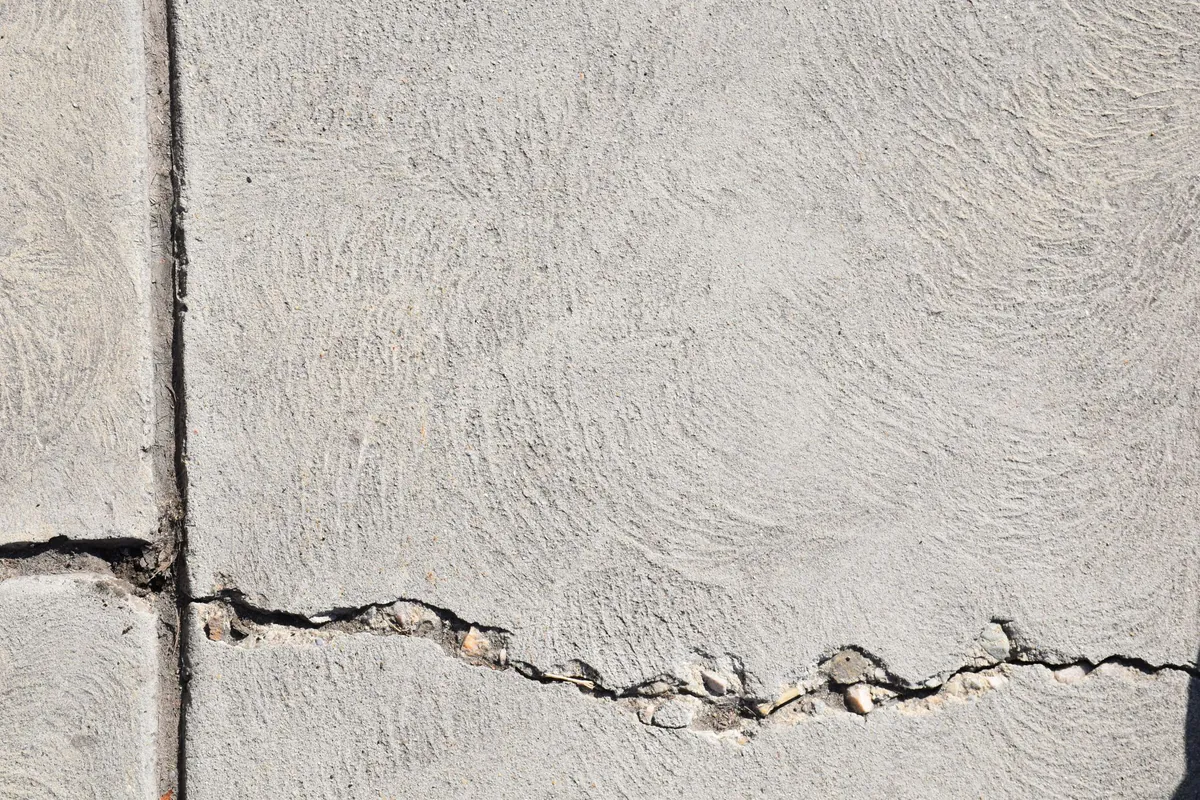
Foundation problems are one of the conditions sellers most dread disclosing. They sound catastrophic, they are expensive to repair, and they scare off a large portion of the traditional buyer market. But having a home with foundation issues does not mean you cannot sell. It means you need to understand your options clearly before deciding how to proceed.
Here is an honest assessment of each path, what foundation problems actually do to your net, and what to expect from cash buyers who specialize in exactly this situation.
What counts as a foundation problem, and what does not
Not all foundation issues are equal, and the word “problems” covers a wide range of conditions. Before assuming the worst, understand what you are actually dealing with.
Typically minor, often cosmetic:
- Hairline cracks in a poured concrete foundation (common as concrete cures and settles over time)
- Small stepped cracks in brick veneer or exterior walls
- Minor efflorescence (white mineral deposits on concrete)
Moderate, requiring assessment:
- Cracks wider than a quarter inch
- Cracks that are actively widening over time
- Stair-step cracks in block foundations
- Doors or windows that have begun to stick or drag
Significant, likely structural:
- Horizontal cracking in block or poured concrete walls (a sign of lateral pressure)
- Significant floor slope or settlement
- Visible bowing in foundation walls
- Water intrusion through active cracks
- Confirmed active settlement documented by a structural engineer
The difference matters enormously for your sale options. Minor cosmetic cracking is something many buyers will accept with a disclosure and appropriate price. Significant structural compromise is something that will disqualify most financed buyers entirely.
A structural engineer’s report (typically $300 to $700) gives you documented clarity on what you are actually dealing with. That information helps you price correctly and respond to buyer questions with confidence.
The impact of foundation issues on home value
There is no universal number, but here is a realistic range:
| Issue severity | Estimated value impact vs. comparable defect-free home |
|---|---|
| Minor cosmetic cracks, no movement | 2 to 5 percent |
| Moderate cracking, some settlement, repair needed | 8 to 15 percent |
| Significant structural movement, major repair required | 15 to 25 percent or more |
| Severe structural compromise | Varies widely; market is primarily cash buyers |
Two things drive the discount: the estimated cost of repair and the buyer’s risk premium for uncertainty. Even after a home has been repaired, a history of foundation issues can dampen buyer confidence and resale value. That second factor, the lingering stigma, is part of why some sellers with repaired foundations still choose to price aggressively to move quickly.
Your three options as a seller
Option 1: Repair the foundation and list at full market value.
If the repair is minor and your contractor can certify the work with a warranty, this can restore buyer confidence and allow you to list at or near comps. The challenge is cost. Foundation repairs range from a few thousand dollars for crack injection to well over $100,000 for full underpinning, drainage systems, and structural stabilization.
Before funding repairs, verify that the after-repair sale price, minus agent commissions, minus your repair costs, minus carrying costs during the repair period, actually produces a better net than selling as-is. Many sellers discover the math does not favor the repair when they run it all the way through.
Option 2: Disclose and list as-is on the MLS.
You can list the property in its current condition, disclose the foundation issues, and price the home to reflect the condition. This keeps your buyer pool open to investors and cash-rich buyers who are comfortable with the risk.
The challenge: financed buyers’ lenders may refuse to approve a loan on a property with documented foundation issues. You may find that even buyers who want the home cannot buy it through traditional financing. Your effective market becomes investors and cash buyers anyway, just with the added friction of MLS days-on-market, showings, and the stigma of a stale listing.
Option 3: Sell as-is directly to a cash buyer.
Cash buyers who focus on distressed properties purchase homes with foundation issues regularly. They will assess the severity, price the repair cost into the offer, and close without requiring anything from you. No lender is involved, so there is no minimum property condition requirement to navigate.
This is the path that requires the least from you and closes the fastest. For homes with significant foundation problems, it is often the only realistic path to a clean, certain sale.
Our sell house as-is page explains how the full as-is transaction works, including what to expect from offer to close.
What cash buyers do with foundation-issue homes
Understanding a cash buyer’s process helps you evaluate whether their offer is fair.
The cash buyer will typically:
- Review your disclosure and any existing structural reports.
- Conduct an in-person walkthrough to observe the foundation condition directly.
- Bring in their own structural assessment if needed to confirm repair scope.
- Build the estimated repair cost, plus their holding and transaction costs, into the offer using the after-repair value formula.
- Close without requiring you to make any repairs.
The offer will reflect the cost of the work the buyer is taking on. Ask the buyer what repair cost they estimated and what they expect the after-repair value to be. A transparent buyer will share that math with you. It lets you evaluate whether the offer is reasonable or whether you need a second opinion.
For context on how cash offers are calculated across any property type, see the cash offers versus traditional sales breakdown.
Disclosure requirements for foundation defects
Selling as-is does not release you from the obligation to disclose known foundation problems. In virtually all states, foundation issues meet the threshold of a material defect, a condition that would affect a reasonable buyer’s decision or the price they would pay.
Most state-mandated disclosure forms specifically ask about foundation condition, cracking, settling, or structural concerns. If you know about foundation issues, you are generally required to disclose them in writing on that form.
What “know” means matters. You are responsible for disclosing what you know, not for hiring an inspector to find what you do not know. If you have a structural engineer’s report, share it. If you have not had an assessment, you can note that on the disclosure form and acknowledge visible observations (such as cracks) without speculating about their cause.
Disclosure rules vary significantly by state. Consult a real estate attorney in your location before listing or accepting any offer, and particularly before deciding how to characterize foundation conditions on a disclosure form.
You can also find additional guidance on common as-is selling situations on our no-repairs situation page.
Green and red flags when evaluating offers on a foundation-issue home
Green flags from buyers:
- They reviewed your disclosure before making an offer and the offer reflects it
- They are willing to show you the repair cost estimate they used in their calculation
- The offer is in writing with a specific price and closing date
- They close at the price they offered without renegotiating after their walkthrough
Red flags:
- The buyer makes an offer before seeing the foundation and then tries to renegotiate sharply after the walkthrough
- The buyer cannot explain how they calculated the offer
- The price is renegotiated multiple times after you accept
- The buyer pressures you to sign quickly before you have had time to consider the offer or get a second one
Getting two or three offers from different buyers is the single most effective way to verify whether an offer is fair for a home with significant foundation issues.
The bottom line
Foundation problems make a traditional sale harder and sometimes impossible for financed buyers. They do not make a sale impossible. The right buyer, typically a cash buyer who specializes in distressed properties, will purchase the home in its current condition, handle the repair after closing, and give you a certain close on a timeline that works for you.
Before funding a major foundation repair, get a cash offer first. Compare the offer against what you would realistically net after repair costs, agent commissions, and carrying costs through a traditional sale. For serious foundation issues, the as-is cash path frequently produces a comparable net while eliminating all the cost, delay, and uncertainty of the repair-and-list route.
Request a no-obligation offer from HomeWise and have a real number to work with within 24 hours.