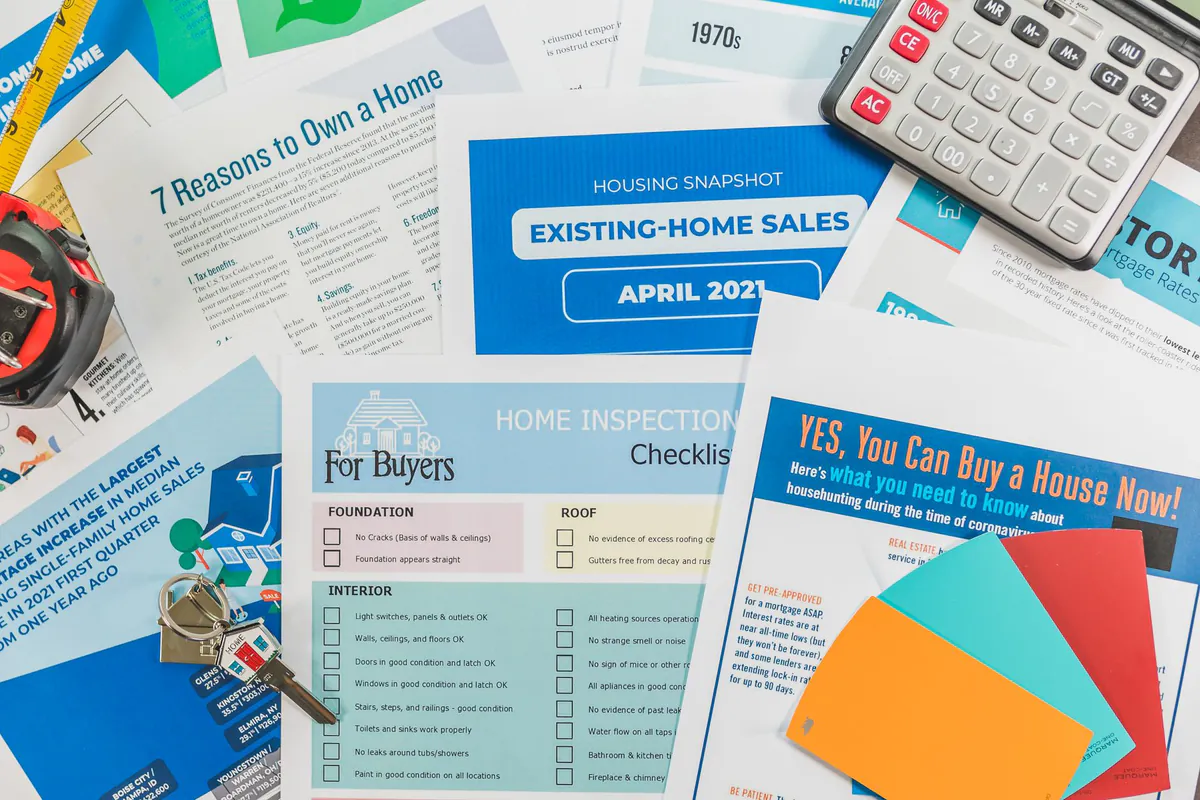
Cash home buyers work differently from traditional buyers in three key ways. They bring their own money instead of a bank loan, they purchase properties in as-is condition, and they can close in as little as 7 days. No inspection contingencies. No appraisal delays. No financing that falls through at the last minute.
This guide covers exactly how cash home buyers work, what the step-by-step process looks like, how offers are calculated, and what separates a legitimate buyer from one who will waste your time.
What Is a Cash Home Buyer?
A cash home buyer is an investor or company that purchases residential real estate using capital they already have. There is no bank involved, no loan application, and no underwriting timeline. Because the buyer does not need lender approval, they can commit to a purchase price with certainty and close on a date you both agree to.
Cash buyers come in several forms. Investors who buy, renovate, and resell properties. Companies that purchase homes at scale across multiple markets. Individual buyers with significant liquid capital. What matters most to you as a seller is whether the buyer is a direct purchaser who will personally close on the home, or a wholesaler who plans to sell the contract to someone else. That distinction affects your timeline, your certainty, and who you are actually dealing with throughout the process.
How Cash Home Buyers Work: Step by Step
Here is the process from your first contact to money in your account:
Step 1: You Request an Offer
You submit basic information about the property — the address, condition, approximate square footage, and any known issues. This takes a few minutes and carries no obligation. You are not required to accept any offer you receive.
Step 2: The Buyer Evaluates the Property
The buyer reviews comparable sales in your area and assesses the home’s condition. Depending on the buyer and the property, this may involve a short in-person walk-through or a remote review using photos and public data. This is not a traditional home inspection. It is the buyer’s internal process for estimating repair costs so they can make an accurate offer.
Step 3: You Receive a Written Offer
Within 24 to 48 hours in most cases, you receive a written cash offer. A legitimate offer specifies a dollar amount, a proposed closing date, and the key terms of the purchase. You should not be pressured to respond immediately. Take the time you need to review it.
Step 4: You Accept and Sign the Purchase Agreement
If the offer works for you, both parties sign a purchase and sale agreement. This is a standard real estate contract that sets the final price, the closing date, what is included in the sale, and how title transfers. You have the right to have an attorney review it before signing. No earnest money is taken from you, and the buyer does not receive payment until closing.
Step 5: The Title Company Confirms Clear Ownership
A title company or closing attorney searches public records to confirm you legally own the property and to identify any liens, judgments, or encumbrances. If liens exist — unpaid taxes, a second mortgage, or a contractor’s lien — they are typically paid from your proceeds at closing. You do not need to resolve them separately in advance.
Step 6: You Close and Receive Your Funds
On the agreed closing date, you sign the deed transfer documents. Payment is wired to your bank account or delivered by cashier’s check the same day. The total timeline from accepted offer to cash in hand is typically 7 to 21 days, depending on how quickly the title search clears.
| Step | What Happens | Typical Time |
|---|---|---|
| Request offer | Submit property details | Day 1 |
| Buyer evaluation | Walk-through or remote review | Day 1 to 3 |
| Written offer | Receive and review offer | Day 2 to 4 |
| Sign agreement | Execute purchase contract | Day 3 to 5 |
| Title search | Title company confirms clear title | Day 5 to 14 |
| Closing | Sign deed, receive funds | Day 7 to 21 |
Cash Buyers vs. Wholesalers: An Important Difference
These two types of buyers are frequently lumped together but they operate very differently.
A direct cash buyer closes on the property themselves. They bring their own funds, own the home after closing, and are accountable to you from the first phone call through the closing date. You deal with one party throughout the entire transaction.
A wholesaler signs a contract with you but does not intend to purchase the home. They plan to sell that contract to a third-party investor before closing and collect an assignment fee. This creates real problems for you: the deal can collapse if the wholesaler cannot find an investor, your closing date becomes unpredictable, and you may not know who the actual buyer is until closing day.
Before you sign any purchase agreement, ask directly: “Will you personally close on this property, or will you assign the contract to another buyer?” A direct buyer will answer yes without hesitation. If the answer is vague, walk away or get clarification in writing. Learn more about how HomeWise handles the purchase process.
How Much Will a Cash Home Buyer Pay?
Cash buyers use the after-repair value formula to calculate every offer:
Offer = After-Repair Value minus Repair Costs minus Holding and Closing Costs minus Buyer Margin
For a home with an after-repair value of 280,000 dollars and an estimated 40,000 dollars in needed repairs, a typical offer might fall between 175,000 and 200,000 dollars. That appears to be a significant discount until you compare it against what you actually net from a traditional sale after commissions of 5 to 6 percent, seller closing costs of 1 to 3 percent, pre-listing repairs, and three to five months of mortgage, taxes, insurance, and utilities while the home sits on the market.
For a detailed breakdown of the ARV formula and how each component is calculated, read our guide on how cash buyers calculate their offers.
Is Selling to a Cash Home Buyer a Good Idea?
It depends on what matters most to you. A cash sale trades a lower headline price for speed, certainty, and zero fees. That trade is worth making when:
- Your home needs significant repairs you cannot fund before listing.
- You are under a time constraint: foreclosure, a divorce, a job relocation, or an estate settlement.
- You want a guaranteed close without the risk of financing falling through.
- You inherited a property and want a clean, fast resolution without managing a renovation from a distance.
- You do not want weeks of strangers walking through your home.
Listing with an agent is the stronger choice when your home is market-ready, you have time, and you can comfortably cover carrying costs while competing for the highest offer. For a full comparison of both paths and what you would net from each, see our cash offers vs. traditional sales breakdown.
Green Flags and Red Flags When Working With a Cash Buyer
Green flags from a legitimate buyer:
- They explain the offer with a clear breakdown of their ARV estimate, repair costs, and margin.
- The offer is in writing with a specific dollar amount and closing date.
- They provide proof of funds or can name the title company they work with regularly.
- The price does not change after you accept the offer.
- They give you time to think and do not pressure you to sign on the spot.
Red flags to watch for:
- The offer arrives with no explanation of how the number was calculated.
- The buyer pressures you to sign within hours of receiving the offer.
- The price is renegotiated downward after you accept without a specific, documented reason.
- The buyer asks you to pay any fee before closing. Legitimate buyers charge you nothing to make an offer.
- The purchase agreement contains an extended assignment clause and the buyer cannot confirm they will personally close.
The Bottom Line
Cash home buyers work by removing the bank, the agent, and the months of uncertainty from the selling process. You receive a specific offer, a specific closing date, and no fees or repair requirements. The headline price is below retail, but the net outcome after commissions, repairs, and carrying costs is typically closer than sellers expect.
If you want to see what your home would net through a cash sale, request a no-obligation offer from HomeWise. We walk you through every number so you can compare it directly to what you would net from a traditional listing and make the decision that fits your situation.