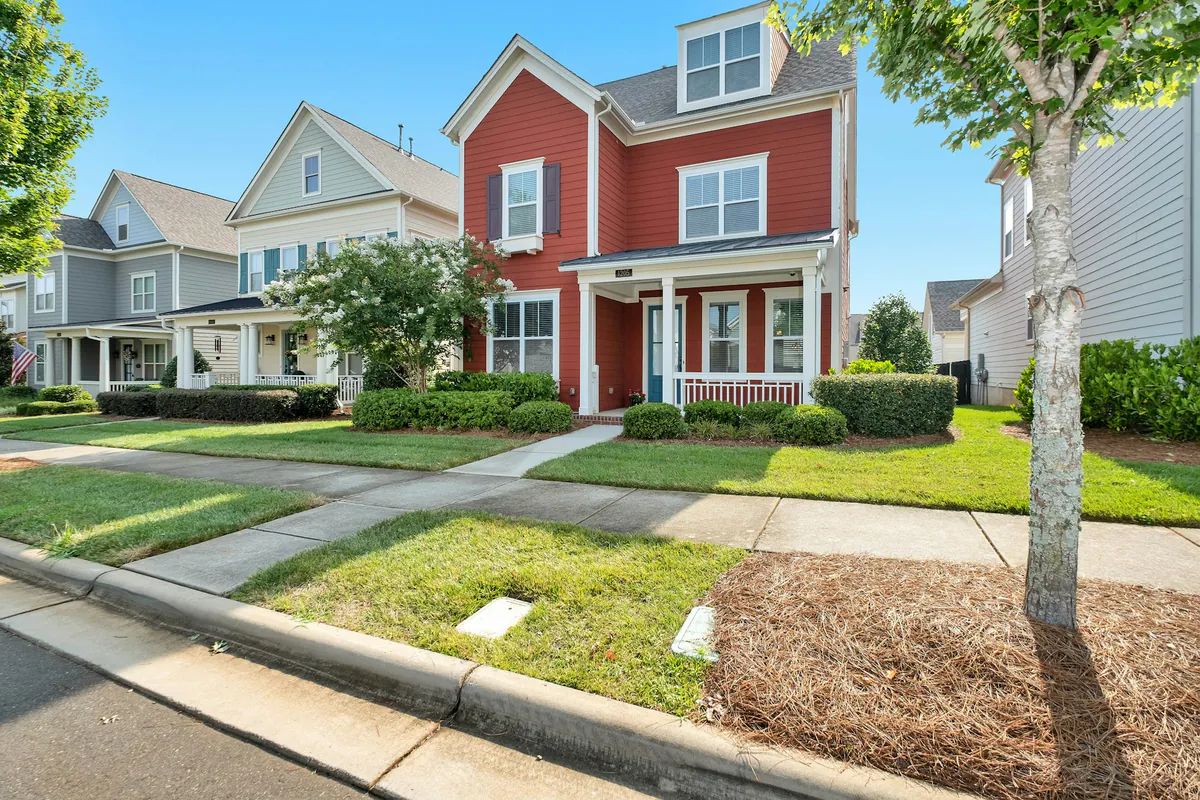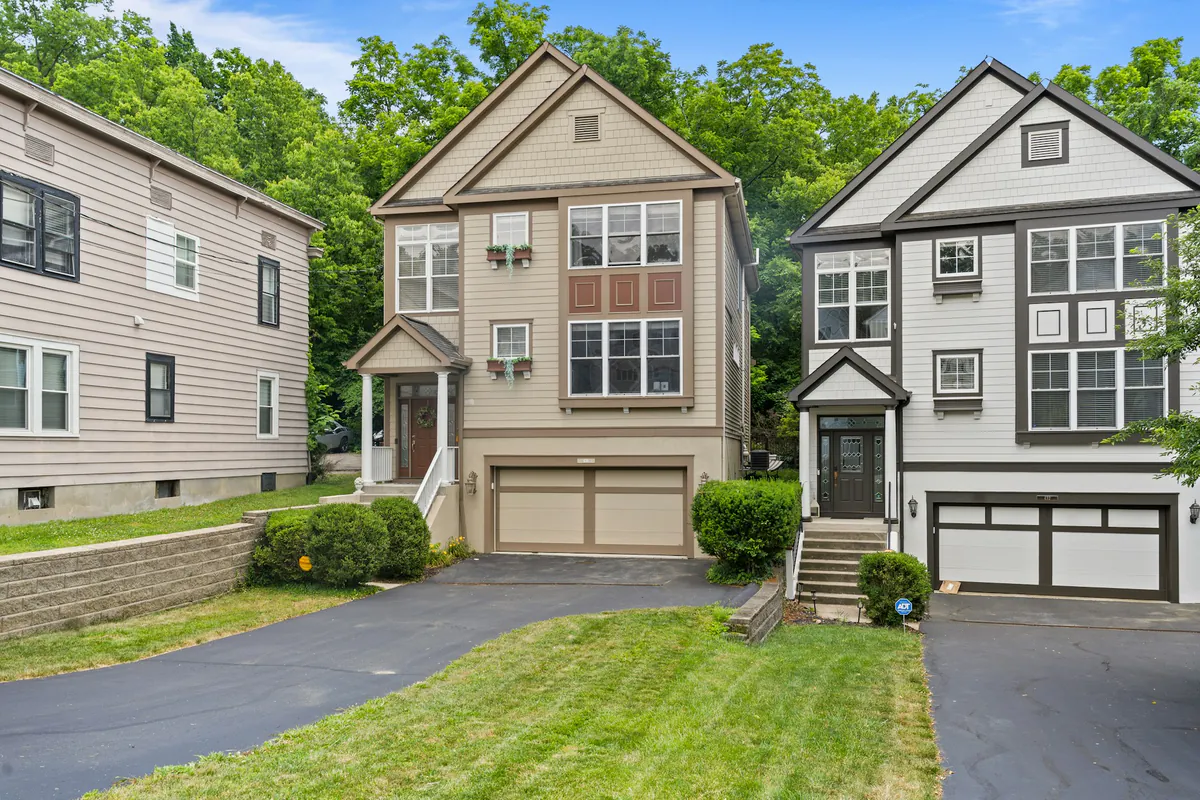
If you are behind on your mortgage in Ohio, the process ahead of you runs through a courtroom, and that is good news for your timeline. Ohio is a judicial foreclosure state: the lender must sue you, win a judgment, and complete a court-supervised sheriff’s sale before your ownership ends. That commonly takes six months to more than a year. You can sell your home at any point before the court confirms the sale, and if the proceeds pay off your loan, the foreclosure ends and your remaining equity is yours.
This guide walks through the Ohio process stage by stage, the statutes that protect you, how much time you realistically have in counties like Cuyahoga, Franklin, and Hamilton, and how to close a sale before the sheriff’s sale date.
How does foreclosure work in Ohio?
Ohio requires lenders to foreclose through the courts. There is no power-of-sale shortcut here: the lender files a civil lawsuit in the Court of Common Pleas for the county where your home sits, and a judge must rule before anything can be sold.
The full sequence looks like this:
- You fall behind. Federal mortgage servicing rules generally require the servicer to wait until you are more than 120 days past due before filing. During that period the servicer must consider you for alternatives if you apply.
- The complaint. The lender files a foreclosure complaint and serves you. You typically have 28 days to file an answer. Ignoring the complaint leads to a default judgment on a much faster track; answering keeps the case on the normal calendar and preserves your rights.
- Litigation and mediation. Many Ohio counties offer foreclosure mediation, where you and the lender meet with a neutral to explore a modification or other workout while the case pauses. Cases without resolution proceed toward summary judgment.
- Judgment and decree of foreclosure. The court enters judgment establishing the amount owed and orders the property sold.
- Appraisal and sheriff’s sale. The property is appraised, and it generally cannot be sold at the auction for less than two-thirds of the appraised value under R.C. 2329.20. The sheriff (or in some counties a private selling officer) conducts the sale, and many counties now run these auctions online.
- Confirmation. The winning bid does not transfer your home by itself. The court must confirm the sale under R.C. 2329.31, which typically happens within about 30 days of the auction. Only after confirmation and delivery of the deed does ownership change hands.
Every one of those steps takes real calendar time, which is why Ohio foreclosures commonly run six months to more than a year from complaint to confirmation.
What does the Ohio foreclosure timeline look like stage by stage?
Here is how the calendar typically runs:
| Stage | What happens | Typical timing |
|---|---|---|
| Missed payments | Late fees, credit reporting, servicer outreach | Days 1 to 120 |
| Complaint filed | Lawsuit filed in Common Pleas court, you are served | After day 120 |
| Answer window | Your time to respond to the complaint | About 28 days from service |
| Mediation or litigation | Court-sponsored mediation, motions, discovery | 2 to 9 months, county dependent |
| Judgment | Court fixes the debt and orders the sale | After litigation concludes |
| Appraisal and advertising | Property appraised, sale advertised | Several weeks |
| Sheriff’s sale | Auction with a minimum bid of two-thirds of appraisal | Weeks after judgment |
| Confirmation | Court confirms the sale, deed transfers | Typically within about 30 days of sale |
Two features of this table deserve attention. First, the answer window and mediation stages are largely within your control: participating in the case, rather than defaulting, routinely adds months. Second, even after the auction there is a gap before confirmation, and Ohio law keeps your rights alive through that gap, which no purely non-judicial state does.
How much time do you actually have in Ohio?
Most Ohio homeowners have more time than they fear, and the amount depends heavily on three choices.
Whether you answer the complaint. A homeowner who never responds can face a default judgment and an early sheriff’s sale within a few months. A homeowner who files an answer moves the case onto the standard litigation track, which in busy counties like Cuyahoga (Cleveland), Franklin (Columbus), and Hamilton (Cincinnati) routinely means six months or more before a sale is even scheduled.
Whether you request mediation. Many Ohio common pleas courts operate foreclosure mediation programs. Requesting mediation typically pauses the march toward judgment while you and the lender explore alternatives, and it costs you nothing.
Whether you engage your servicer. Under federal servicing rules, a complete loss mitigation application generally must be reviewed before the foreclosure can proceed to judgment and sale, which adds both time and options.
The practical takeaway: in Ohio, time is something you can actively create. But every added month also adds interest, late fees, court costs, and attorney fees to the amount you owe, all of which come out of your equity at the end. The smart play is to use the judicial timeline to arrange the exit you want, not to drift. Confirm exactly where your case stands with an Ohio foreclosure attorney or a HUD-approved housing counselor at 1-800-569-4287.
Can you sell your house during foreclosure in Ohio?
Yes. You remain the owner of your home until the sheriff’s sale is held and confirmed by the court. The lender holds a lien and, after judgment, a court order, but not title. Your right to sell continues through the entire case: after the complaint, after judgment, and even after the auction itself, right up until confirmation.
Ohio law underlines this with a statutory right of redemption. Under R.C. 2329.33, at any time before the court confirms the sale, you may redeem the property by depositing the judgment amount plus costs and interest with the court. Few homeowners can write that check, but the statute proves the larger point: nothing is final in an Ohio foreclosure until confirmation, and a voluntary sale that pays off the loan before that moment ends the case.
When you sell, the title company collects the buyer’s funds, pays the mortgage, the accumulated court costs and fees, and any other liens, and wires you the balance. If your home is worth more than the payoff, that difference is yours. At a sheriff’s sale, by contrast, the two-thirds minimum bid rule under R.C. 2329.20 protects you from a total giveaway, but two-thirds of appraised value is still a steep discount from what a real sale brings, and any surplus must be claimed back through the court. Our guides on whether you can sell a house in pre-foreclosure and whether it is better to sell or let the house foreclose walk through the math.
Can the lender come after you for a deficiency in Ohio?
Possibly, but Ohio puts a clock on it. If the confirmed sale price is less than the judgment, the shortfall is a deficiency, and the lender can pursue collection through garnishment, bank levies, and liens. For residential property, however, R.C. 2329.08 makes a deficiency on a mortgage secured by “real property used as a home or farm dwelling” unenforceable two years after the date the court confirms the sale.
Read that carefully: it is a two-year limit, not a prohibition. For two years after confirmation, a lender holding a deficiency judgment can actively collect against your wages and accounts. Some lenders never bother; some sell the debt to collectors who do.
The clean way out is to never generate a deficiency. A voluntary sale that pays the loan in full closes the question permanently. If you owe more than the home is worth, a short sale approved by the lender can include a written waiver of the deficiency, which is standard to request and often granted. Either path is better than two years of wondering.
How does a cash sale stop an Ohio foreclosure?
A cash sale ends the case by eliminating the debt before confirmation. There is no buyer financing to fail, no appraisal contingency, and no underwriting delay. The gating items are your written payoff statement and a clear title search.
Here is the sequence on an Ohio timeline. You accept a written offer backed by proof of funds, and the title company opens the file that day. It orders the payoff from your servicer, which now includes the court costs and attorney fees the case has generated, and reconciles the figures with the lender’s foreclosure counsel. Title work runs in parallel, usually three to five business days, and surfaces any second mortgages, tax liens, or judgment liens that must also be paid at closing. At closing, the buyer’s funds pay every lien in full, the lender dismisses the foreclosure, the lien is released, and the remaining proceeds go to you. If a sheriff’s sale date is near, the lender’s counsel can withdraw or postpone the sale while the payoff is pending, which lenders routinely do because a full payoff is their best outcome too.
HomeWise buys houses across Ohio as-is and can close in as little as 7 days. For a homeowner in foreclosure, that means:
- Certainty. A firm close date well ahead of the sheriff’s sale, with no financing risk.
- As-is. No repairs, no cleanout, no showings. Condition is already priced into the offer.
- No fees. No commissions and no junk charges, and we cover typical closing costs.
- Equity protection. If your home is worth more than the payoff, the difference comes to you at closing instead of through a court surplus claim.
To see a fair cash number for your Ohio home, request a no-obligation offer.
What are your other options in Ohio besides selling?
Ohio’s long timeline leaves room for every alternative, so compare them honestly:
- Reinstatement. Paying the total past-due amount plus fees to bring the loan current. Most loan documents and servicer policies allow this well into the case. Right move if the hardship has passed and you can raise the lump sum.
- Redemption. Paying the entire judgment plus costs and interest before confirmation under R.C. 2329.33. Rarely practical, but it exists, and refinancing families sometimes use it.
- Loan modification. Restructuring the rate or term through your servicer so the payment fits your income. Ohio’s judicial pace and county mediation programs give you more room to pursue this than fast states offer. It only works if you can sustain the new payment.
- Court-sponsored mediation. Available in many Ohio counties, free, and pauses the case while you and the lender negotiate. Ask the court handling your case whether a program exists.
- Repayment plan or forbearance. Spreading arrears over future months or pausing payments temporarily. Designed for short-term setbacks, not permanent income changes.
- Short sale. Selling for less than you owe with lender approval, ideally with a written deficiency waiver. Approvals take 60 to 120 days, which Ohio’s timeline can usually absorb if you start early.
- Bankruptcy. A filing stops a scheduled sheriff’s sale immediately through the automatic stay, and Chapter 13 can cure arrears over three to five years for owners with steady income. Serious step, lasting consequences, attorney required.
For the complete version of this comparison, read our guide on how to stop foreclosure by selling your house. And before choosing, spend an hour with a HUD-approved housing counselor at 1-800-569-4287. It is free, and it is the fastest way to see every option side by side.
How do you avoid foreclosure rescue scams in Ohio?
Foreclosure complaints are public court records, and sheriff’s sale advertising is publicly posted. From the week your case is filed, expect unsolicited letters, calls, and door knocks in Cleveland, Columbus, Cincinnati, and everywhere in between. Some are legitimate buyers. Some are operators hunting distressed owners. Walk away from anyone who:
- Asks you to sign over your deed before a formal closing with a title company or attorney
- Charges any upfront fee to “save your home” or “negotiate with your lender”
- Tells you to stop communicating with your servicer or to send payments to them instead
- Offers to “take over payments” while the mortgage stays in your name
- Guarantees a result without reviewing your loan documents or court file
- Rushes you to sign papers you have not read or that contain blanks
A legitimate cash buyer gives you a written offer with a specific close date, shows proof of funds, closes through a licensed title company, and never charges a fee before closing. If anything feels off, a HUD-approved counselor will review the offer with you at no cost.
What should Ohio homeowners do this week?
- Pull your case. Search your county’s Common Pleas docket for the foreclosure and note whether a judgment or sheriff’s sale date exists.
- Answer if you were just served. Filing a response protects your rights and your timeline. Legal aid organizations across Ohio help homeowners do this at no cost.
- Get your payoff in writing. Call your servicer and request it. No decision is possible without the real number.
- Make one free call. A HUD-approved housing counselor at 1-800-569-4287 will map every option that fits your situation.
- Get a real offer. A written cash offer with proof of funds turns the question of selling into a concrete number you can weigh against modification, mediation, or reinstatement.
Protect your Ohio equity before the sale is confirmed
Ohio’s judicial process gives you months of runway, a mediation path, a minimum-bid floor, and a redemption right that survives all the way to confirmation. Those protections exist to be used, and the homeowners who come out ahead are the ones who use them to arrange a clean, voluntary exit rather than waiting for the court’s calendar to decide for them.
If you are behind on payments anywhere in Ohio, including Cleveland, Columbus, or Cincinnati, start by understanding where your case stands. If you are behind on your mortgage and weighing a sale, that guide covers the decision in depth, and our Ohio cash buyer page shows how we buy houses across the state. You can also browse more foreclosure guides.
When you are ready, request a cash offer. No obligation, no fees, and no pressure, just a fair number and a close date well ahead of any sheriff’s sale.