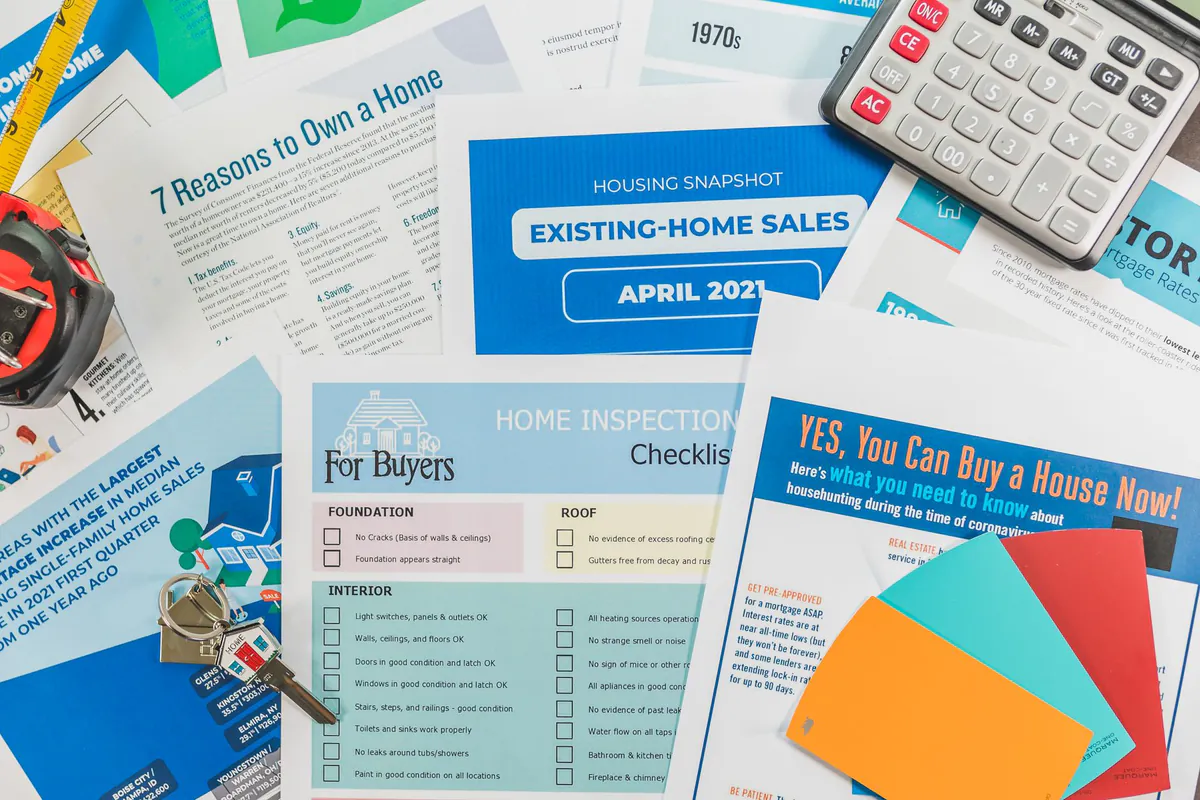
One of the most common questions sellers ask when they start exploring a cash sale is whether they need a home inspection first. The short answer is no - and understanding why changes how you think about the entire process.
As a seller, you are not required to get an inspection
In a traditional listed sale, sellers sometimes order a pre-listing inspection to catch problems before a buyer does. In a cash sale, this is entirely optional. Most sellers skip it because the cash buyer is purchasing the home as-is, regardless of condition.
You are not handing over a perfect house. You are handing over the house as it stands today, and the buyer has priced that into the offer.
Does the cash buyer inspect the home?
Yes, typically. A reputable cash home buyer will schedule a brief walkthrough before finalizing the offer. This lets them confirm the property’s general condition matches what was described and identify any major repair items they need to account for in the price.
Some buyers go further and order a professional inspection for their own records. Either way, this is the buyer’s due diligence - not an inspection contingency that gives them the right to demand repairs or renegotiate the price after you accept.
The key difference from a traditional sale: in a financed transaction, an inspection contingency gives the buyer contractual leverage. In a properly structured cash sale, the buyer accepts the condition upfront and the offer reflects it.
What happens if the walkthrough reveals problems?
If the buyer’s walkthrough uncovers something significant that was not disclosed - say, a collapsed crawlspace or major water intrusion - a reputable buyer will discuss it with you before asking you to sign. They may adjust the offer to reflect the newly discovered cost, but they should not agree to a price and then spring a reduction on you at closing. That kind of last-minute renegotiation is a red flag.
A trustworthy buyer prices the condition of the home into the offer from the beginning, not after you have already cleared your schedule for closing day.
What about your disclosure obligations?
Even in an as-is cash sale, sellers have disclosure obligations that vary by state. In most states, you are required to disclose known material defects - things like roof leaks, foundation issues, mold, or flood history that you are aware of. Selling as-is does not eliminate this obligation.
Consult a real estate attorney in your state for specific guidance. Disclosure requirements are a legal matter, and the rules differ significantly by location.
How this compares to a financed sale
| Factor | Cash Sale | Financed Sale |
|---|---|---|
| Seller inspection required | No | Optional but common |
| Buyer inspection contingency | Typically none | Standard, often 10-day window |
| Repairs required of seller | None | Often negotiated after inspection |
| Deal risk from inspection | Very low | Can kill the deal |
| Delay from inspection process | None | 1 to 2 weeks typical |
In a financed sale, the inspection contingency is one of the most common reasons deals fall through or get delayed. The buyer can request repairs, credits, or walk away entirely based on the report. That risk disappears in a cash sale.
The bottom line
You do not need a home inspection to sell your house as-is. The buyer handles their own due diligence, the offer reflects the condition, and you close without making repairs. The cash home buying process is specifically designed to remove inspection-related delays and deal-killers from the equation.
Get a no-obligation cash offer from Homewise and see what a clean, inspection-free close looks like for your property.